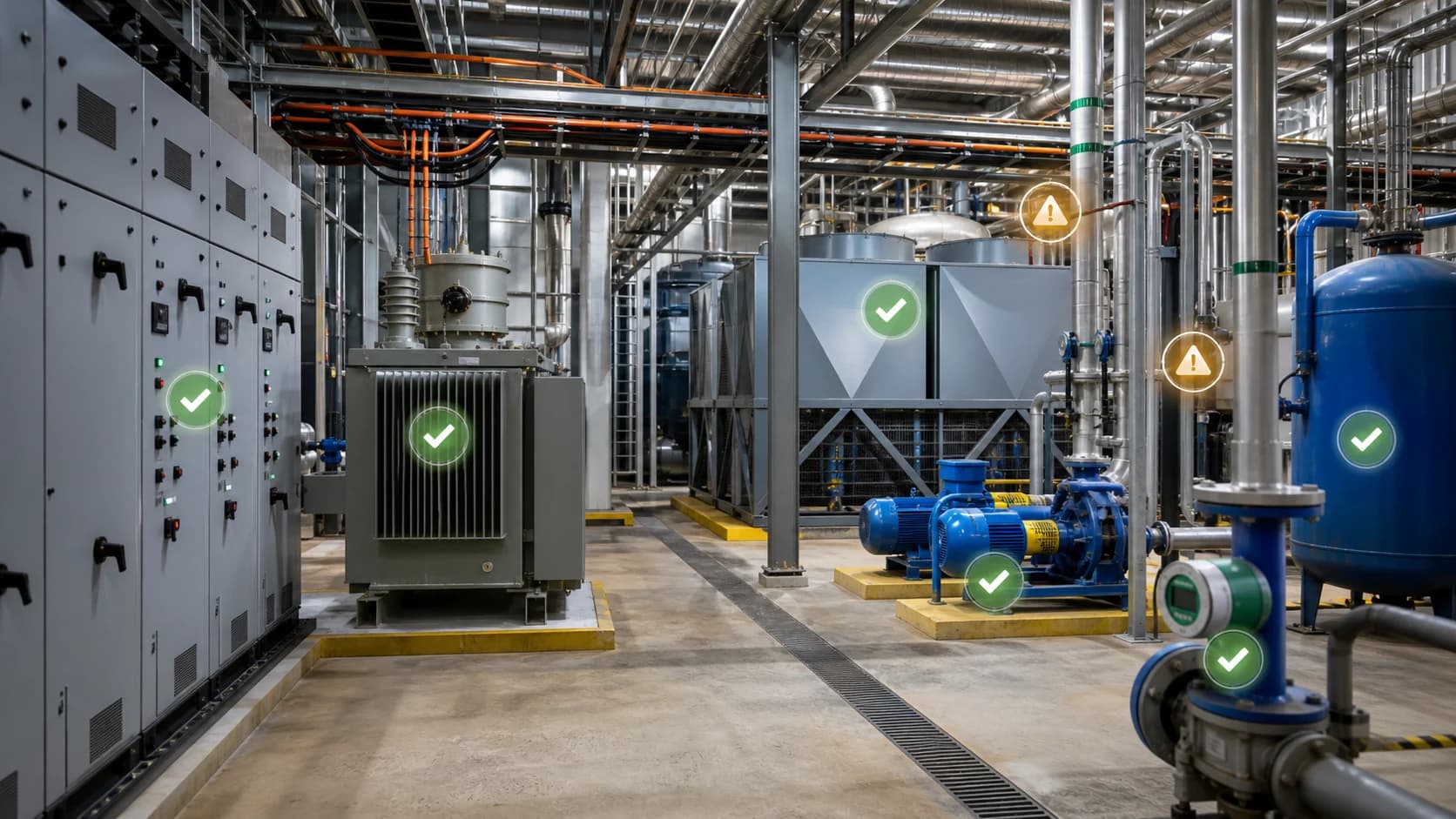
Cross-system facility monitoring
Bring HVAC, electrical, water, environmental, and building-control data into one asset-aware operating view.
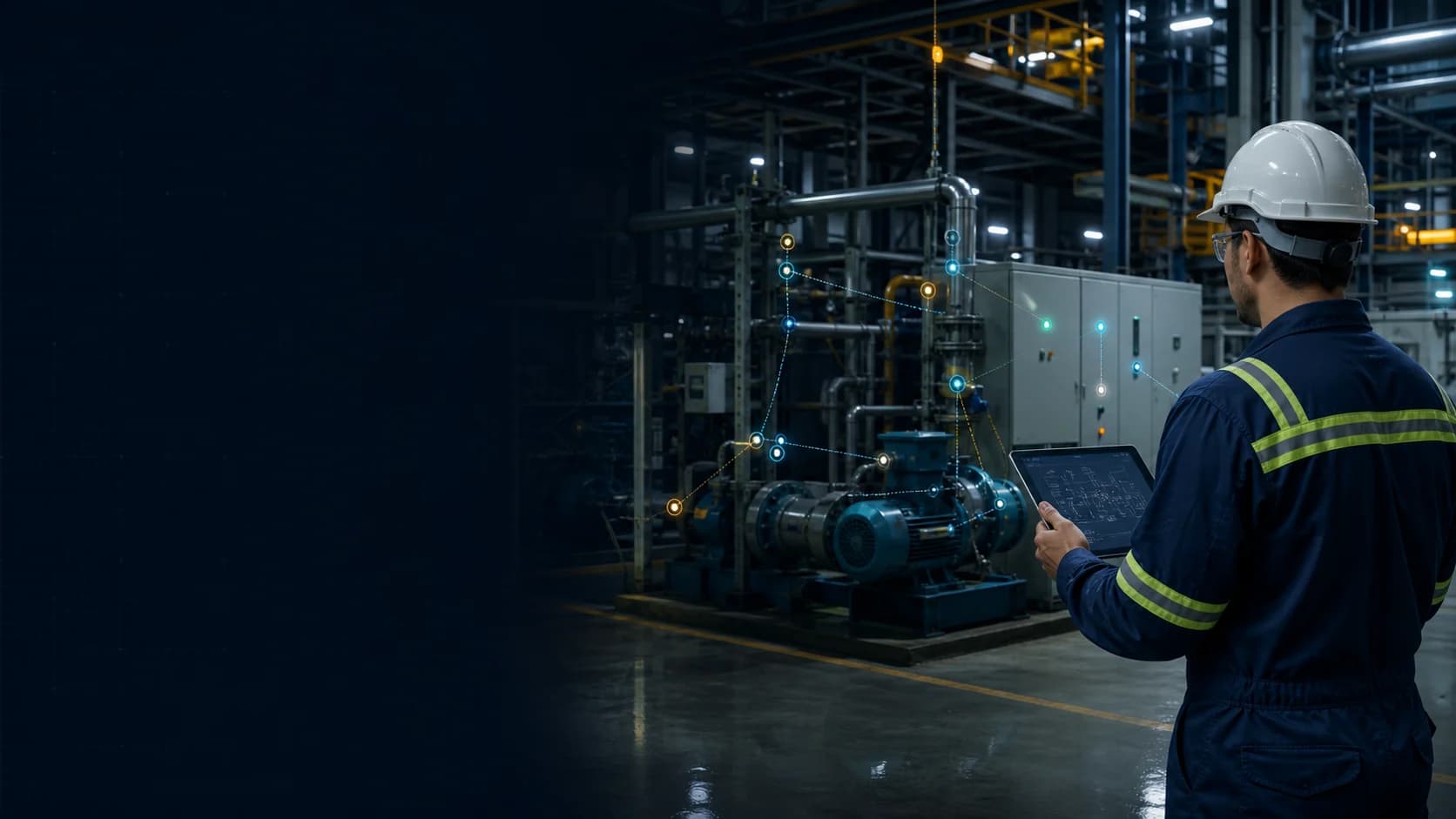
See what changed, understand what it affects, coordinate the response
Bring live data, alarms, trends, asset relationships, service history, and active work into one operating picture so teams can understand change and coordinate the right response.
Connect data, workflows, and field execution so teams can understand context, act faster, and keep work traceable.
Connect BMS, SCADA, IoT, PLC, meters, databases, and business systems through Data Fusion Services while preserving the systems already in place.
Map signals to equipment, spaces, systems, upstream and downstream relationships, and the operating digital twin.
Bring related alarms, recent changes, maintenance history, dependencies, and affected areas together before teams prioritize a response.
Compare current conditions with historical trends, expected ranges, and operating schedules to identify degradation and abnormal behavior.
Give control rooms, engineers, facility managers, field teams, and executives views that match their responsibilities, from one asset to multiple sites.
Route confirmed conditions into inspections, work orders, guided actions, and completion records in Inspector or an existing CMMS.
Practical applications and proven success scenarios across industries.
Bring HVAC, electrical, water, environmental, and building-control data into one asset-aware operating view.
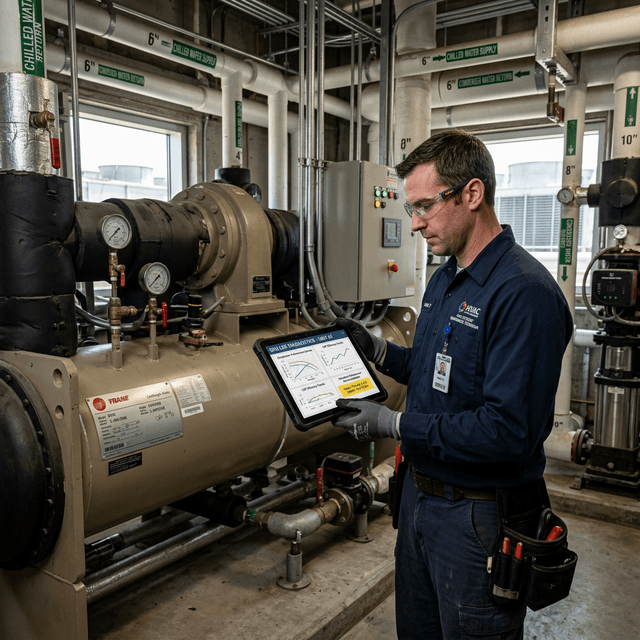
Review rotating equipment, process utilities, cleanroom support systems, and other assets whose condition affects production continuity.
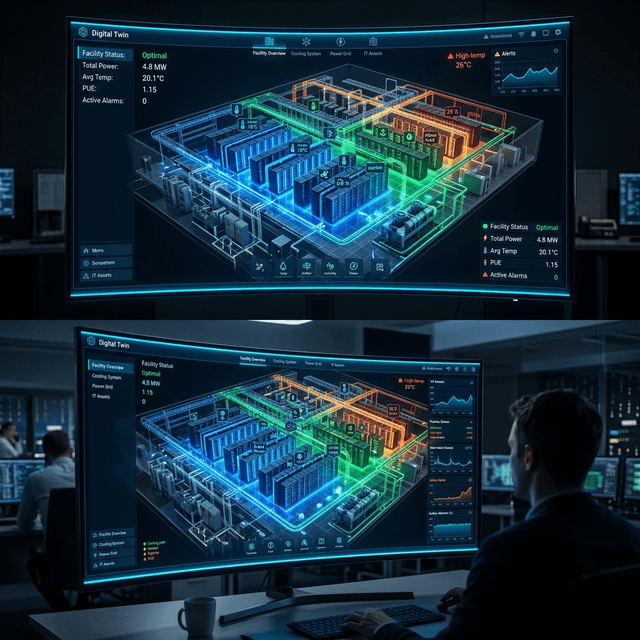
Connect power, cooling, environmental conditions, asset status, inspections, and maintenance priorities across data-center facilities.
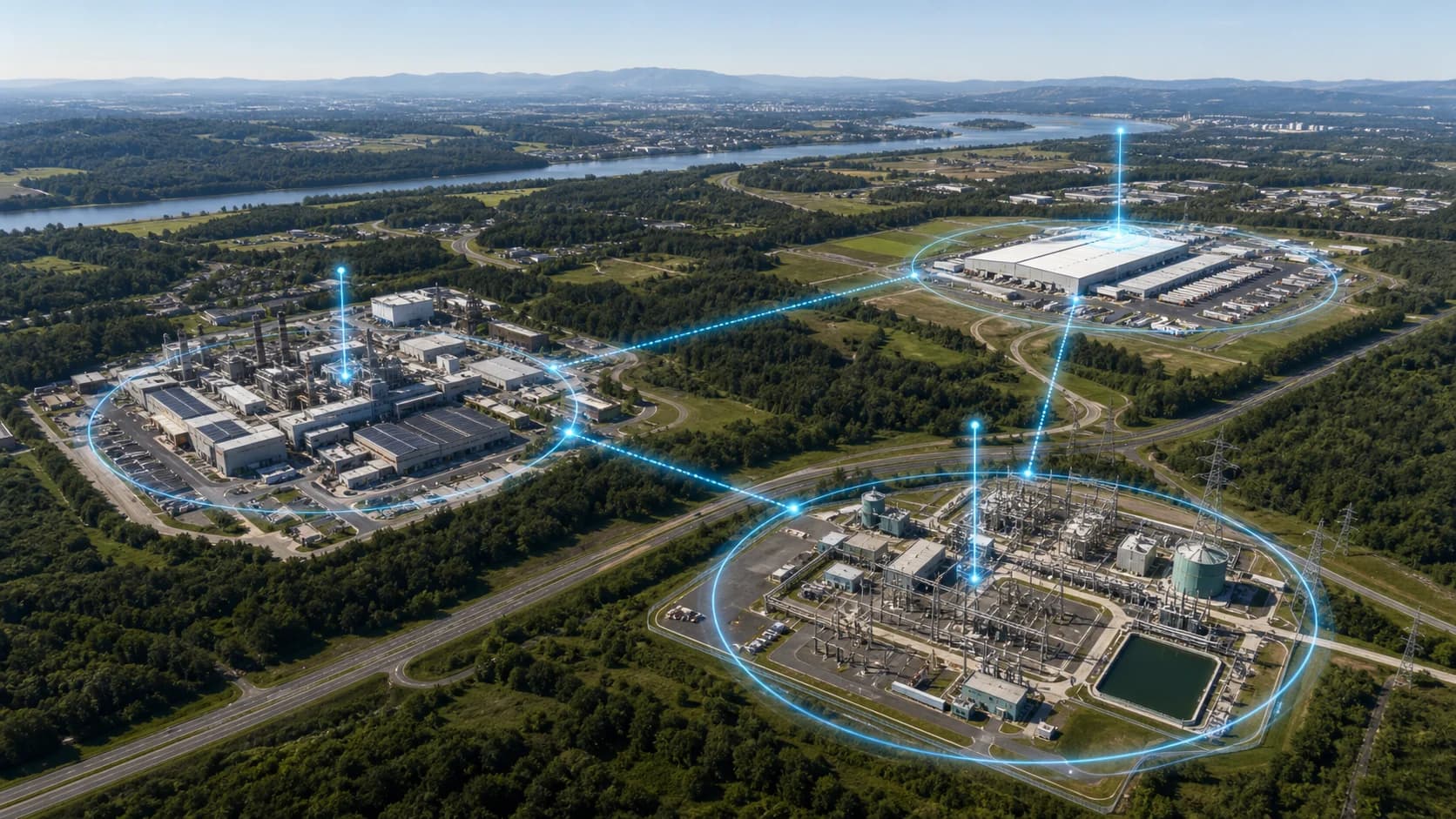
Compare sites, identify operating exceptions, and give regional teams a consistent view of alarms, work status, and service priorities.
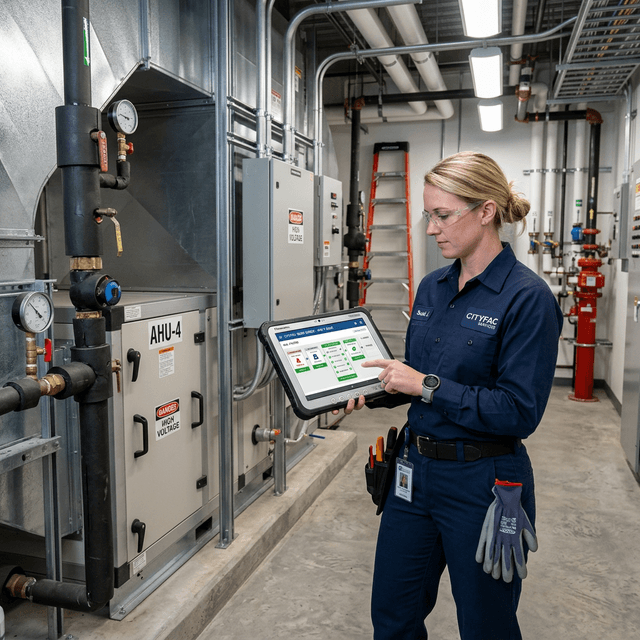
Preserve the path from the original signal through review, assignment, field action, completion evidence, and follow-up.
Facilities already generate live information through control systems, sensors, meters, databases, and service platforms. Operators still need to determine where a change occurred, which assets and spaces it affects, whether it is part of a wider pattern, and who is responsible for the response.
DataMesh connects live and historical information to the equipment, spaces, systems, and work records represented in an operational digital twin. Control-room teams, engineers, maintenance planners, and field technicians can coordinate from the same context while continuing to use their established source systems.
Data Fusion Services connects BMS, SCADA, PLC, IoT, meters, historians, databases, and enterprise applications. FactVerse maps each signal to the relevant site, space, asset, system relationship, and digital-twin object.
This context helps teams move from a tag or alarm code to the physical equipment, affected zone, related sensors, upstream and downstream systems, recent maintenance, and active work.
An operating exception may involve several alarms, a recent setpoint change, weather, load, maintenance activity, or a degrading component. DataMesh brings those signals and records together for review. Historical trends and expected ranges help teams distinguish isolated noise from conditions that require investigation.
FactVerse AI Agent can assist with trend interpretation and related-event analysis when the site has sufficient data and operating context.
Confirmed conditions can move into Inspector inspections and work orders or synchronize with an existing CMMS. The response record keeps the original signal, reviewer, priority, assigned team, field evidence, completion notes, and follow-up action connected.
That history gives managers a clearer view of recurring conditions, response quality, service-level performance, and opportunities for predictive maintenance.
Operators may need current alarms and system topology. Engineers need trends and dependencies. Field teams need location, history, and procedure. Portfolio managers need site comparisons and open-work status. Role-based views use the same underlying asset and operating context without forcing every user into the same screen.
A practical first phase may focus on HVAC, electrical distribution, cooling water, a cleanroom utility, a data-center room, or another system where fragmented information slows response. Connect the required data, asset relationships, alarm rules, operating roles, and work-order handoff, then expand once teams trust the shared view.
Update frequency follows the source system, connector, network policy, data quality, and operating decision. Each signal is configured around the response time the workflow actually requires.
Common sources include BMS, SCADA, PLC, IoT platforms, meters, historians, databases, CMMS, EAM, and enterprise applications connected through supported protocols, APIs, and project adapters.
Yes. Confirmed alarms and operating exceptions can create Inspector tasks or synchronize with an existing CMMS, preserving status and completion records.
Yes. The digital-twin hierarchy can organize assets and operating status by site, building, floor, zone, system, and equipment group.
FactVerse AI Agent can assist with trend review, anomaly interpretation, related-event analysis, and response preparation using the asset and operational context available to the site.
Continue with the most relevant products, solutions, guides, and public references for this topic.