See
Visualization twin
Show asset location, status, and spatial context so teams share the same operating picture.
FactVerse Platform
DataMesh connects live data, spatial twins, and AI reasoning in one platform so operations teams can simulate, validate, and execute with confidence.
Data Fusion Services brings operational data into one decision layer.
FactVerse Twin Engine validates actions against space, process, and equipment logic.
FactVerse AI Agent turns signals into recommendations, simulations, and next-best actions.
Executable Twin
A visualization twin helps teams see assets and spaces. An executable twin connects geometry, live data, operating rules, simulation, and work orders so decisions can be tested, approved, and carried into field execution.
See
Show asset location, status, and spatial context so teams share the same operating picture.
Test
Run scenario checks, AI recommendations, and workflow logic against the current state of the site.
Act
Send approved actions into Inspector, Checklist, Simulator, or enterprise systems with traceable records.
Physical AI, world models, and embodied intelligence need to understand how a real factory operates. Visual appearance and dashboard signals are only the entry point; AI and robots also need asset semantics, spatial relationships, process steps, equipment state, safety boundaries, work-order history, and simulation results. An executable digital twin organizes that context into a computable, verifiable, and traceable site model, so the factory brain can use real operating constraints when recommending actions, training robots, or testing scenarios instead of judging only from images and dashboards.
Industrial physics in action
A digital twin becomes more valuable when teams can compare how air, heat, gases, networks, equipment, and robots may behave before committing a change in the real environment.

Current planning with scoped physics
Use Designer to create reusable scenes, then take selected questions into airflow, rigid-body, Isaac, PhysX, or Newton workflows when deeper validation is needed.
Decision evidence: Scenario variants, decision metrics, runtime evidence, and reusable SimReady context
Explore process simulationProject-enabled analysis starts with a bounded decision, representative geometry and data, an agreed evidence level, and responsible engineering review.
Trusted By Industry Leaders
Stay up to date with product releases, customer stories, and partnership announcements from DataMesh.
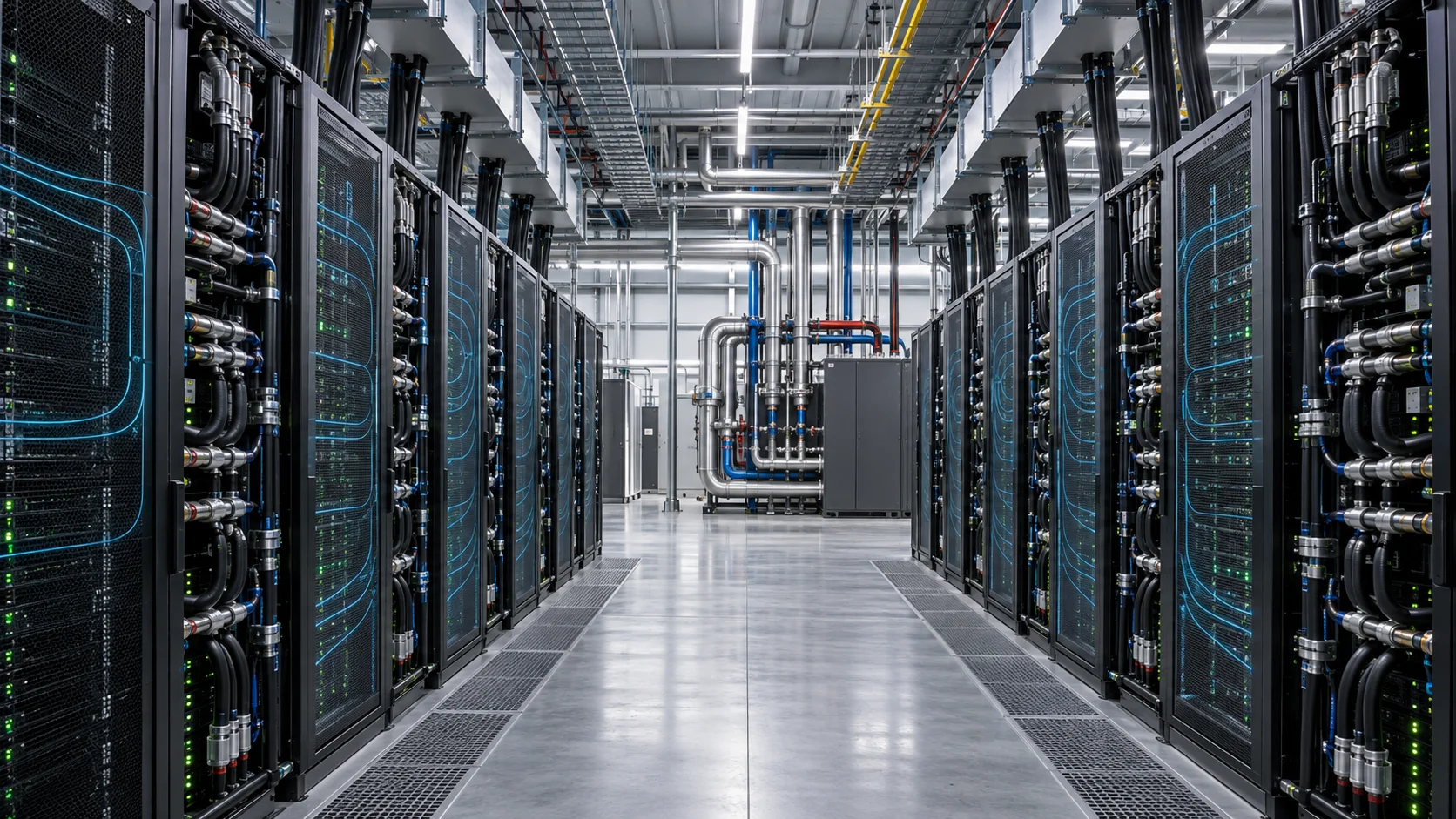
DataMesh connects facility operations, AI-assisted investigation and project-specific simulation for AI computing centers, drawing on NVIDIA Omniverse DSX Blueprint workflows.

KDDI has added DataMesh FactVerse to its Business Port partner service lineup, giving enterprise customers in Japan a new route to explore and procure industrial digital twin solutions.
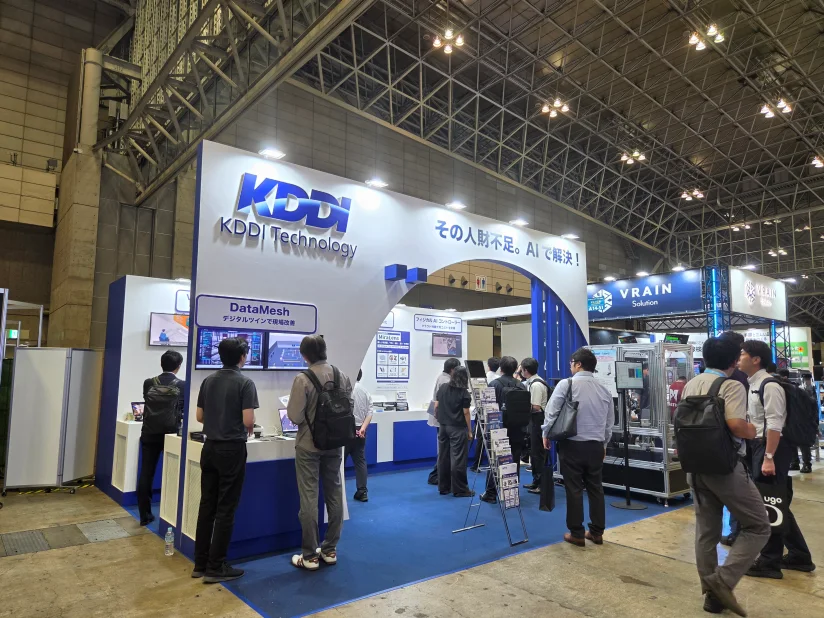
DataMesh and KDDI Technology presented FactVerse immersive operational training for manufacturers at the fifth Smart Factory Expo Autumn in Japan.