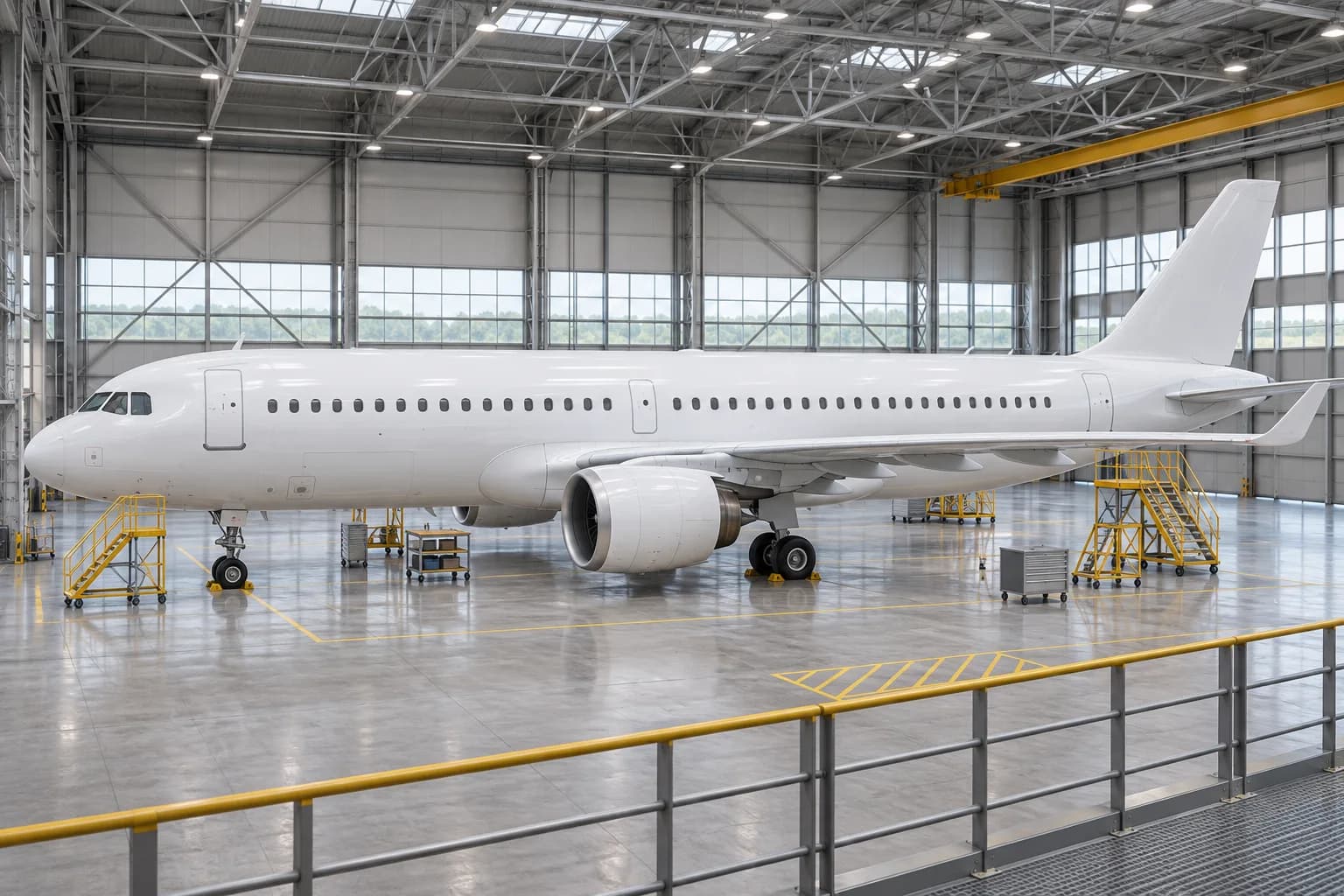
A defect returns after a replacement
Follow the report, replacement and test on the event timeline. Check the original entries to separate a handover note from a later occurrence and pass the open case to the next shift.
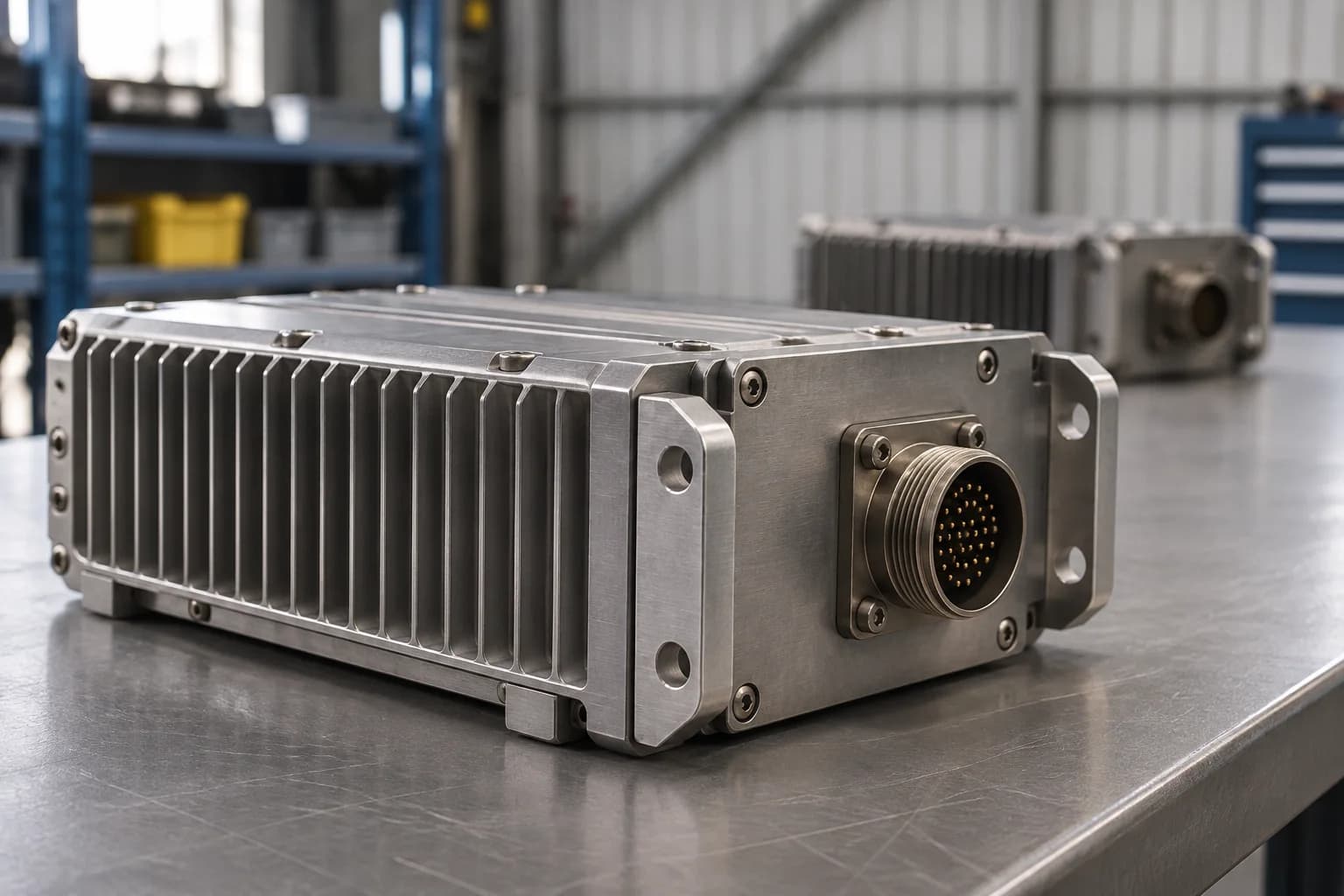
Maintenance, repair and overhaul (MRO)
Connect aircraft and part records across maintenance systems. Use machine learning to find patterns in defect reports, then investigate them against flight data, maintenance actions and component life.
Connect data, workflows, and field execution so teams can understand context, act faster, and keep work traceable.
Line maintenance works by aircraft; the shop works by part number. Data Fusion Services brings the records together. Master data management (MDM) reconciles aircraft and part identities so engineers can compare removals and trace each result to its source.
A quick access recorder (QAR) captures flight data. FactVerse examines the recording structure and uses applicable aircraft layout references to suggest parameter mappings. Engineers inspect candidate traces and supporting evidence, confirm the mapping and review calibration before using the values.
Cluster similar descriptions, inspect representative terms and source reports, and spot terms appearing unusually often within a system chapter. Engineers decide which patterns warrant investigation.
Start with a defect and follow its timeline. Read what each source contributes about the symptom, work performed and test result. Check the original passages before separating a recurrence from a second report of the same event.
Ask how repaired units of a given part number compare with original units. Review the proposed scope and method, then run the analysis. The results come from the analysis tools and can be checked against the sample used.
Select comparable parts by part number and examine the service-life distributions of original and repaired units separately.
Practical applications and proven success scenarios across industries.
Follow the report, replacement and test on the event timeline. Check the original entries to separate a handover note from a later occurrence and pass the open case to the next shift.
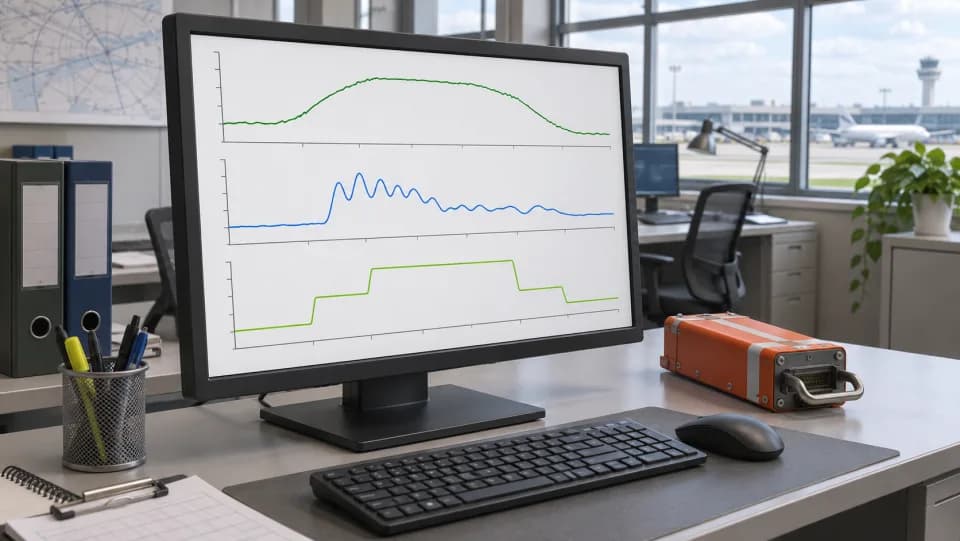
The flight-data specialist checks the QAR parameter mapping and calibration, then compares the altitude trace with the reported time to establish the flight phase for engineering.
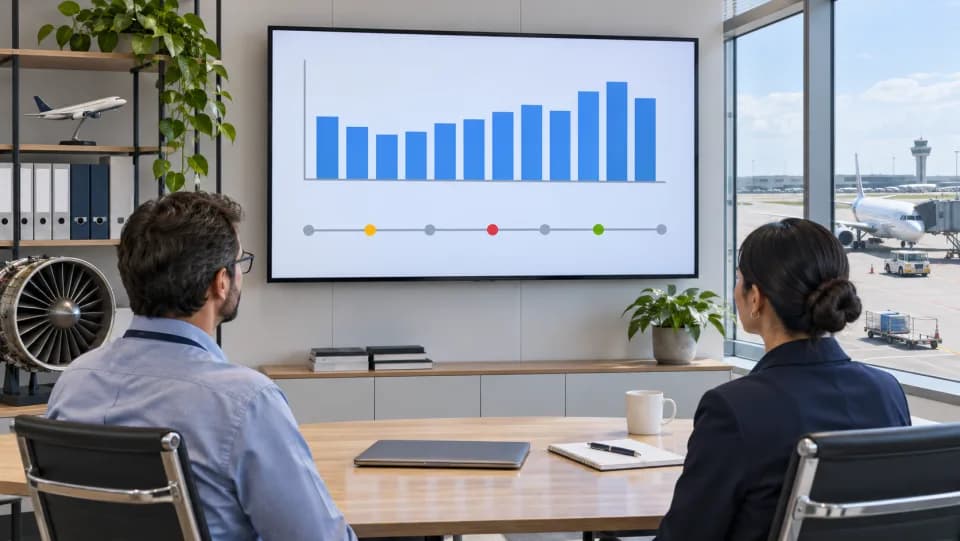
Use machine learning to group similar descriptions and flag terms on the rise. Read the source reports before selecting cases for a fleet investigation.
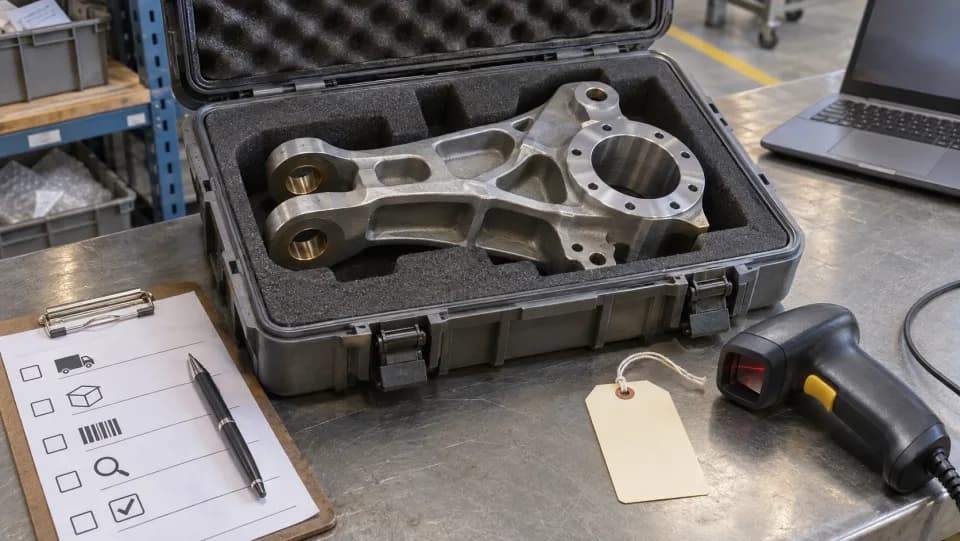
Use master aircraft and part records to reconcile the removal and the shop paperwork. Keep unresolved identities separate for review.
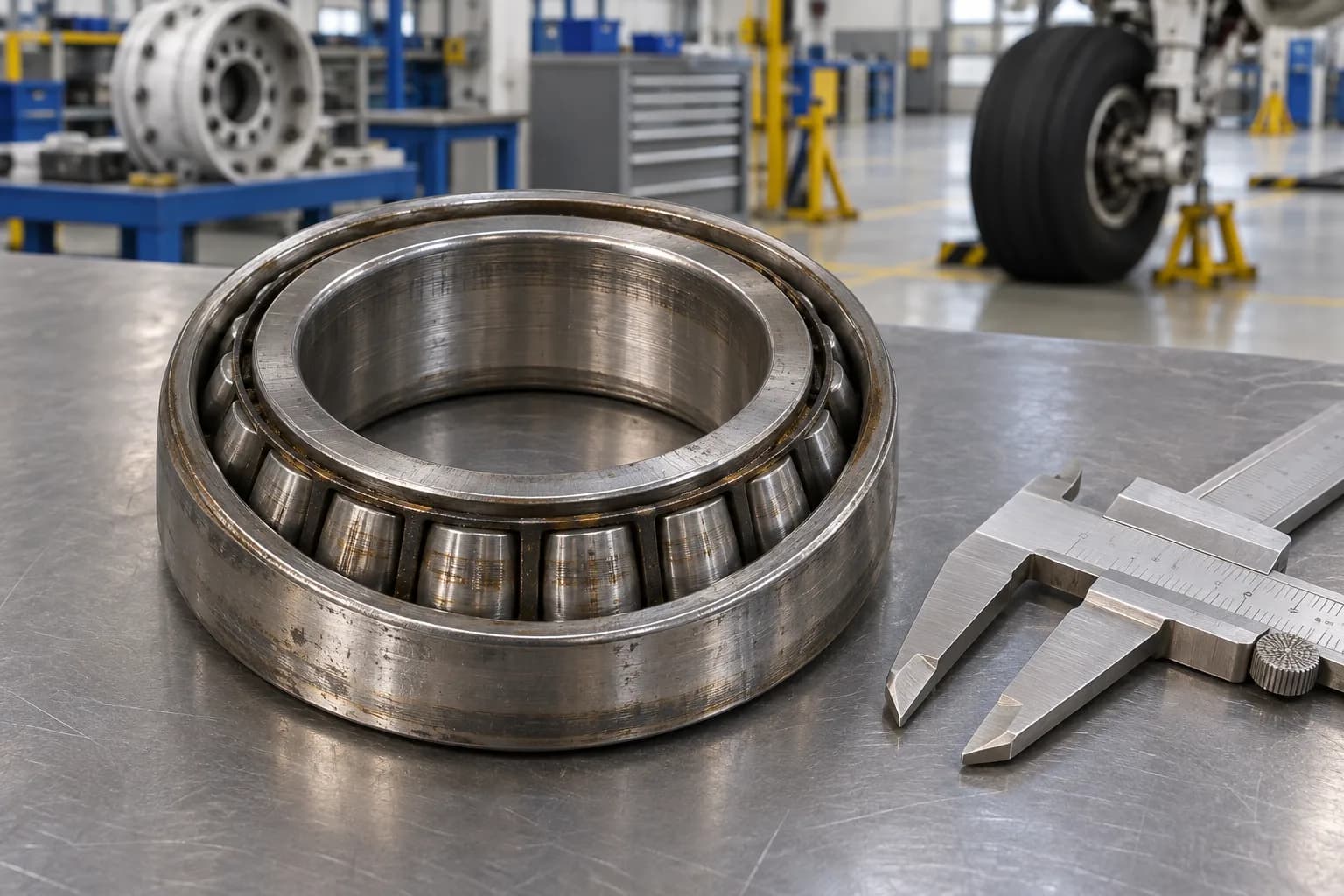
Ask the analysis assistant to compare original and repaired units of one part number. Check failures and units still flying before choosing early removals for shop review.

Watch a system chapter and its keywords. Engineers inspect matching reports and decide which belong in the investigation.
Suppose the handover says the display went blank, while the maintenance record says the ground test passed. Problem exploration brings the original accounts and times together; machine learning can surface similar reports. To check the flight phase, separately inspect a confirmed QAR parameter for that sector, such as altitude over time. The flight trace and the shop entry answer different parts of the question.
If the symptom recurs on one aircraft after replacement, follow that aircraft’s event history. If different aircraft share the same part number, use the part master to assemble comparable removals and ask the assistant to compare service lives.
Suppose a post-flight entry mentions an intermittent indicator and the next shift reports it again. Check the times and the work already recorded: the handover may simply repeat the first report. If the symptom returns on a later operation after replacement, keep that occurrence separate. At the reliability review, the team can follow the sequence back to the records behind each decision.
A flight log might say “display cuts out”; a handover may say “screen occasionally goes blank.” FactVerse groups similar descriptions and flags terms appearing unusually often in a system chapter. Engineers read the original wording alongside the aircraft, phase of flight and action taken before deciding which reports warrant a joint investigation.
“Replace display unit at next visit” records a plan. “Unit replaced; display normal on test” records an action and an observation. Follow the symptom, completed work and subsequent behavior in order. If several units were changed, keep each possibility open and retain the record for the next investigation.
For one part number, compare first-installation units with units returned from repair. Include the hours accumulated by units still flying: counting only removals leaves out the longer-serving units. The Weibull workbench plots life distributions by group and shows how many units failed and how many were still under observation.
If the repaired group drops earlier, check sample size and uncertainty before opening the early removal records. Do they share an installation period or removal reason? The shop can investigate specific returns with their histories attached.
Choose a system with fault reports, removal records and operating hours. Replay a familiar investigation with the reliability engineer: which reports describe one event, which record a recurrence, and which parts merit shop review? Compare the resulting case list with the team’s previous findings.
Continue with the most relevant products, solutions, guides, and public references for this topic.