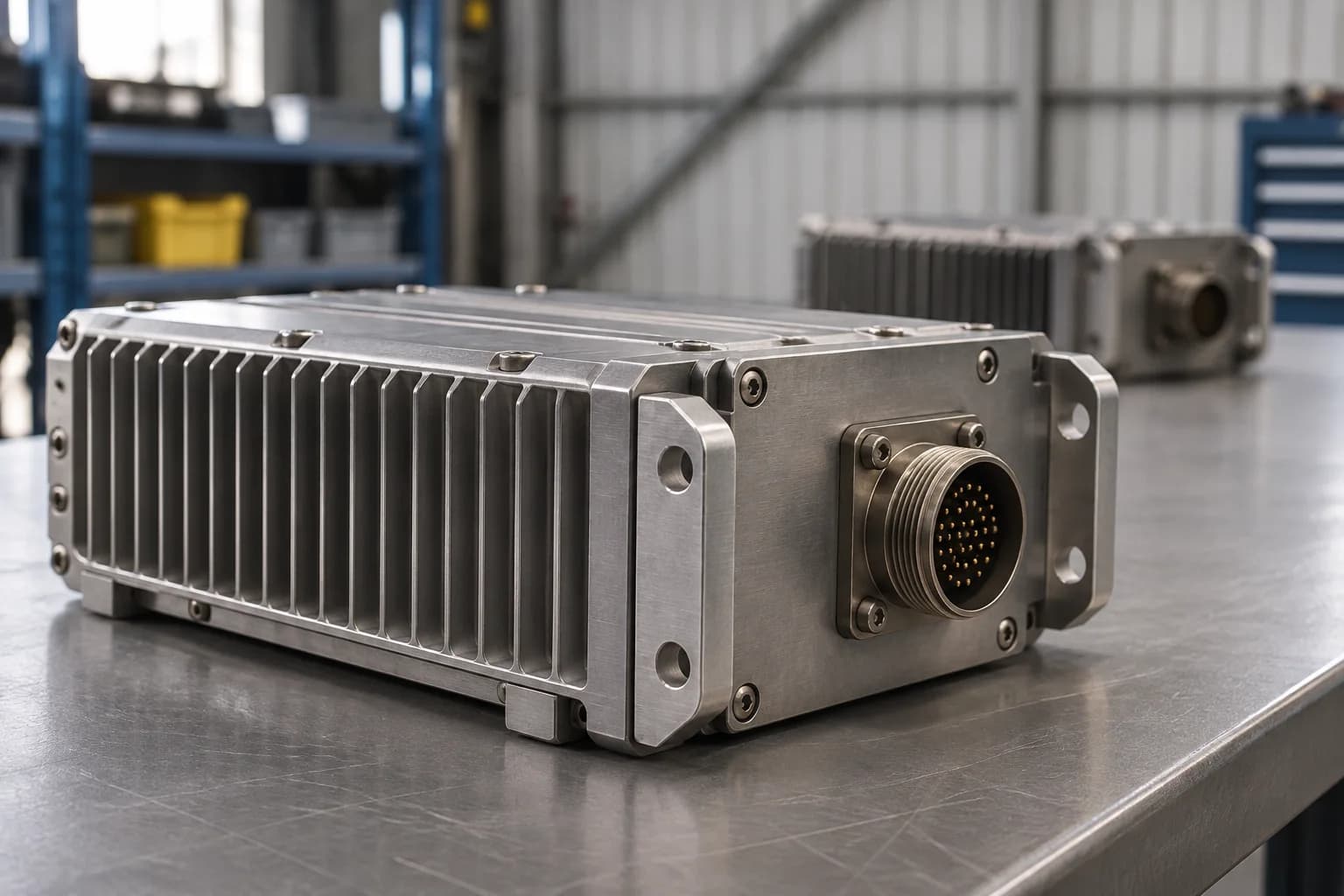
Line maintenance shift change
The incoming shift checks the last inspection, test result and subsequent recurrence on one aircraft, then picks up the unanswered question.

For airlines and maintenance organizations
Review a reported fault from three perspectives: what the aircraft recorded, what maintenance found, and whether the same pattern appears elsewhere in the fleet. FactVerse connects flight data, maintenance records and shop histories.
Connect data, workflows, and field execution so teams can understand context, act faster, and keep work traceable.
Follow the reported symptom, inspections and replacements for an aircraft so the next shift can pick up the investigation.
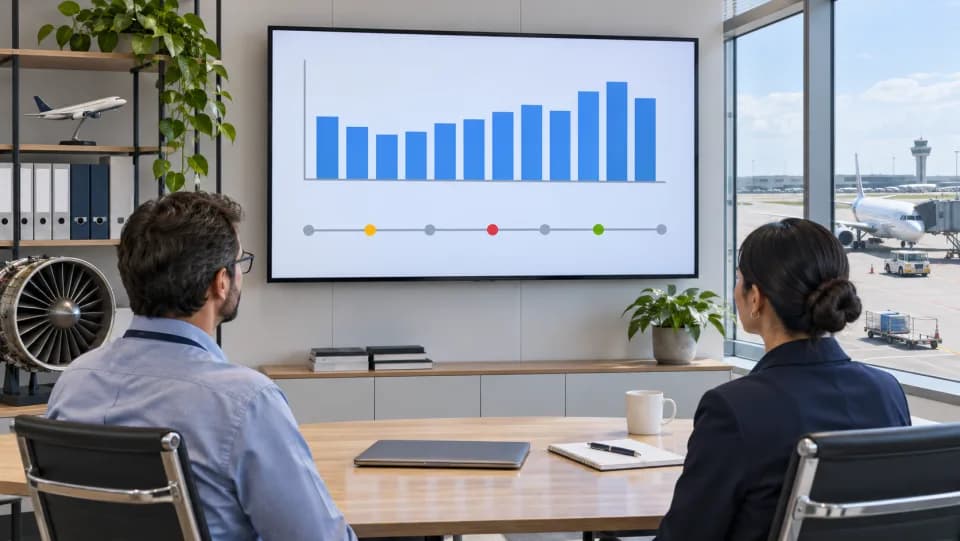
Review indicators by aircraft type, system and month. Use flight hours or cycles to put changes in context before opening the underlying records.
Compare removal histories for like parts and select cases for shop review and follow-up.
Practical applications and proven success scenarios across industries.
The incoming shift checks the last inspection, test result and subsequent recurrence on one aircraft, then picks up the unanswered question.
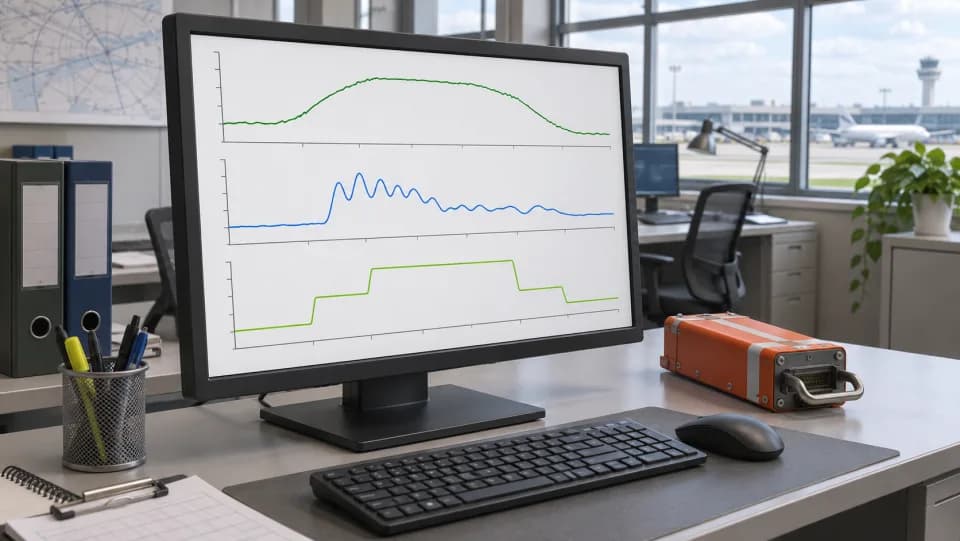
Maintenance supplies the reported interval; the flight-data team checks confirmed QAR parameters for that sector. Engineering receives both the in-flight context and the ground findings.

Compare reports against flight hours or cycles, then check the aircraft distribution. Select the cluster that warrants follow-up after the meeting.
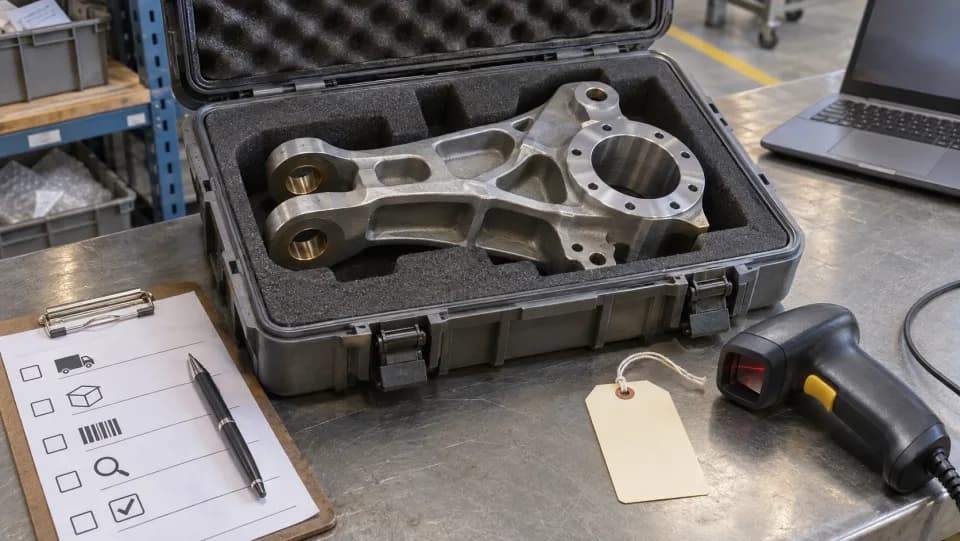
The airline identifies an aircraft; the shop receives a part number. Reconcile both against master records so the shop finding can be traced to installation and removal history.
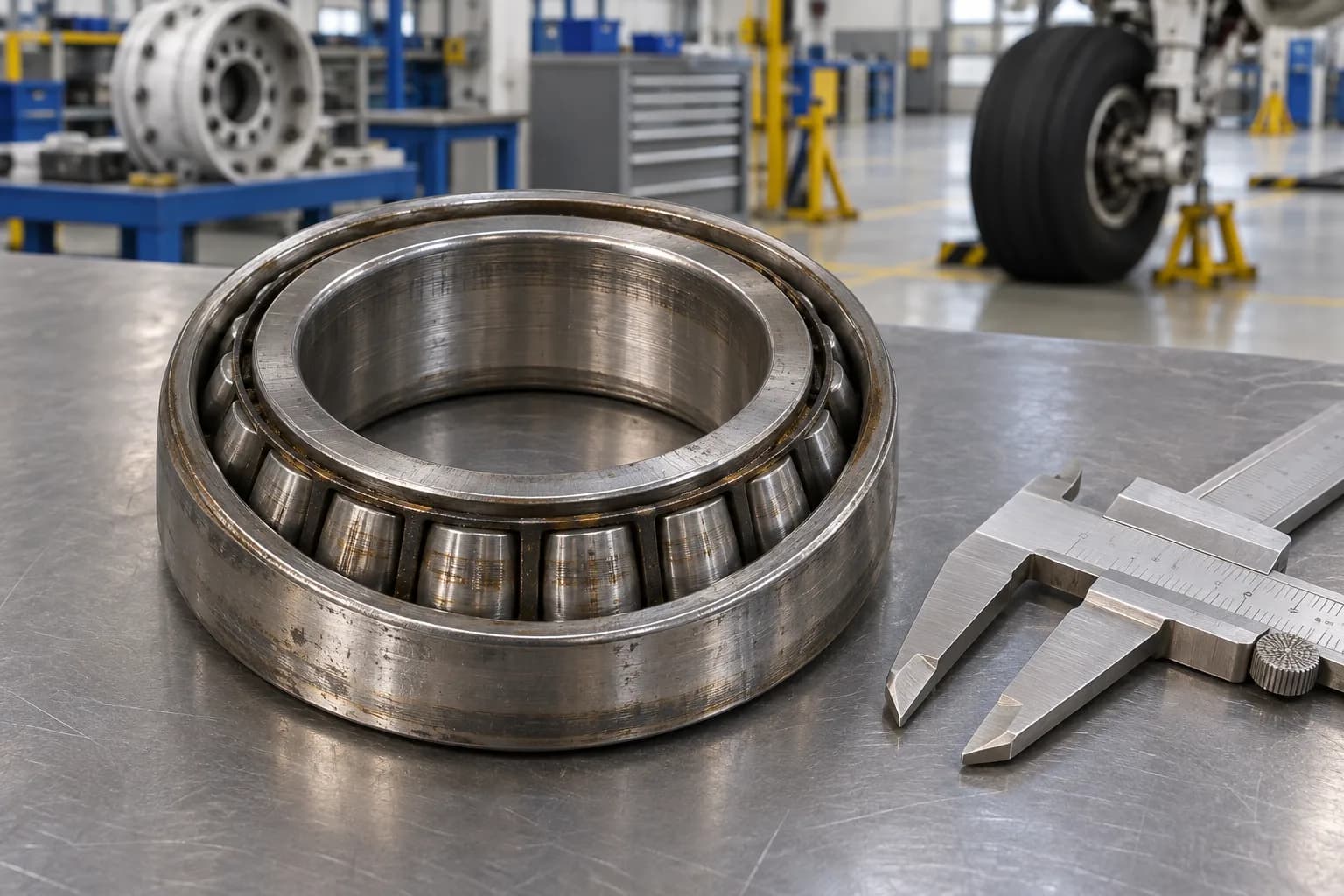
When several repaired units return early, compare time since repair, removal reasons and comparable units still in service to choose returns for closer inspection.
Compare recent watch-list matches with previously confirmed events. Separate new leads, duplicate reports and aircraft that need continued attention.
Line teams search by aircraft and sector; shops often start with only a part number. Reliability engineers reconcile those identities across systems and explore the event history. Flight-data specialists review QAR parameters when the flight phase matters. Engineering uses machine learning to find similar reports across the fleet and the assistant to analyze the selected population. The meeting can address both the individual event and the wider pattern.
A repeat write-up sends the line team back to the previous inspection. Similar reports on several aircraft prompt a different question: do they share a system or a part number? Start with the fleet trend, then follow it back to the relevant aircraft and component histories. The monthly review and the next shift can work from the same evidence.
Suppose there were six distinct occurrences in 3,000 flight hours last month and eight in 4,000 this month. Both rates are two per thousand flight hours. The useful question for the review is where the eight occurred: on one aircraft, in one system, or after a particular replacement?
| Handover | Question | Evidence to take forward |
|---|---|---|
| Line maintenance | What was actually done after the last report? | Original symptom, completed inspection, subsequent recurrence |
| Engineering investigation | Do similar reports on several aircraft belong together? | Confirmed occurrences, system chapter, part number and comparable operating periods |
| Repair shop | Which repaired units came off early? | Removal reason, hours since repair and comparable units still flying |
| Monthly reliability review | What deserves follow-up next month? | Utilization-adjusted trend, affected aircraft and cases awaiting review |
If the overall rate is flat but recurrences cluster on one aircraft, the next shift needs that aircraft’s maintenance history. If repaired units of one part number come off early across different aircraft types, the shop needs those installation and removal histories. The same monthly review can lead to two quite different investigations.
Continue with the most relevant products, solutions, guides, and public references for this topic.
Use a focused proof of concept to validate operational value before a wider rollout.