Physical context
Assets, spaces, systems, process logic, operating history, and engineering constraints are represented in a digital twin as connected operational context.
Physical AI for industrial operations
Physical AI brings AI reasoning into the real operating environment. DataMesh connects live data, executable digital twins, physics-aware simulation, and field workflows so recommendations can be checked against physical constraints before teams act.
Connect
Data Fusion Services connects BMS, IoT, MES, CMMS, energy, equipment, and enterprise data sources.
Contextualize
FactVerse Twin Engine maps data to assets, locations, relationships, procedures, and operating states.
Simulate
Designer, Omniverse, PhysX-based workflows, and domain engines support layout, process, and behavior validation.
Decide
FactVerse AI Agent evaluates options, explains tradeoffs, and generates recommendations with operational context.
For industrial teams, Physical AI is an operating capability that understands physical context, tests possible actions, and closes the loop through real work.
Assets, spaces, systems, process logic, operating history, and engineering constraints are represented in a digital twin as connected operational context.
AI recommendations can be evaluated in a twin or physics-aware simulation environment before they become maintenance plans, process changes, or training scenarios.
Validated recommendations move into inspection, work order, training, and operating workflows, with results captured for review and continuous improvement.
Executable Twin
A visualization twin helps teams see assets and spaces. An executable twin connects geometry, live data, operating rules, simulation, and work orders so decisions can be tested, approved, and carried into field execution.
See
Show asset location, status, and spatial context so teams share the same operating picture.
Test
Run scenario checks, AI recommendations, and workflow logic against the current state of the site.
Act
Send approved actions into Inspector, Checklist, Simulator, or enterprise systems with traceable records.
Physical AI, world models, and embodied intelligence need to understand how a real factory operates. Visual appearance and dashboard signals are only the entry point; AI and robots also need asset semantics, spatial relationships, process steps, equipment state, safety boundaries, work-order history, and simulation results. An executable digital twin organizes that context into a computable, verifiable, and traceable site model, so the factory brain can use real operating constraints when recommending actions, training robots, or testing scenarios instead of judging only from images and dashboards.
Operating loop
DataMesh treats Physical AI as an operational loop. Analysis, validation, execution, and verification create value when they are connected across the same workflow.
Data Fusion Services connects BMS, IoT, MES, CMMS, energy, equipment, and enterprise data sources.
FactVerse Twin Engine maps data to assets, locations, relationships, procedures, and operating states.
Designer, Omniverse, PhysX-based workflows, and domain engines support layout, process, and behavior validation.
FactVerse AI Agent evaluates options, explains tradeoffs, and generates recommendations with operational context.
Inspector, Checklist, Director, and Simulator bring decisions into work orders, guided procedures, training, and field action.
Results, exceptions, evidence, and operator feedback return to the twin so decisions improve over time.
Platform map
Physical AI needs more than one model or one visualization. It needs a stack that can connect data, represent the physical world, simulate choices, and coordinate execution.
Platform
The dual-engine platform that connects executable digital twins with AI decision intelligence.
Twin context
The physical context layer for assets, space, relationships, behavior, and executable workflows.
Decision AI
Decision intelligence that turns operational questions into analysis, scenarios, and recommended action.
Data foundation
Connectivity and normalization for operational data sources across facilities and industrial systems.
Simulation workflow
Scene authoring, layout planning, process simulation, and USD/Omniverse workflows for high-fidelity validation.
Field execution
Execution tools for work orders, inspections, operator training, and safe practice around real equipment behavior.
Where it applies
The same architecture applies across facilities, manufacturing, equipment training, and infrastructure where decisions must respect real-world constraints.
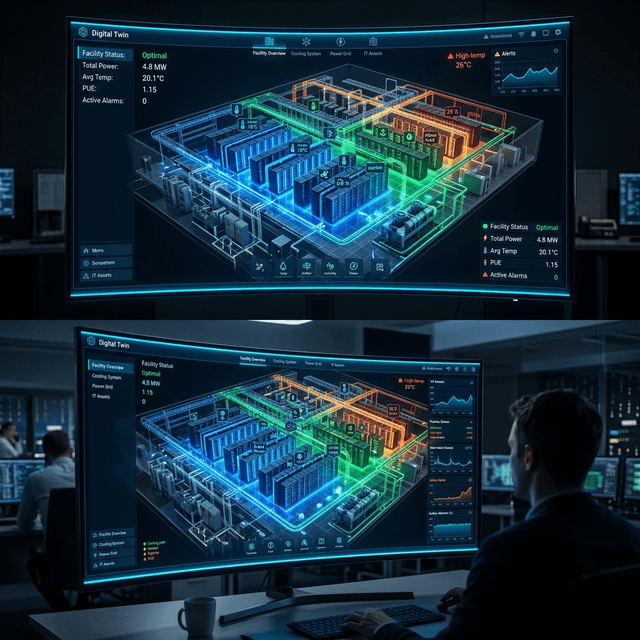
Connect building systems, utility equipment, inspections, energy data, and work orders so facility teams can move from alarms to verified action.
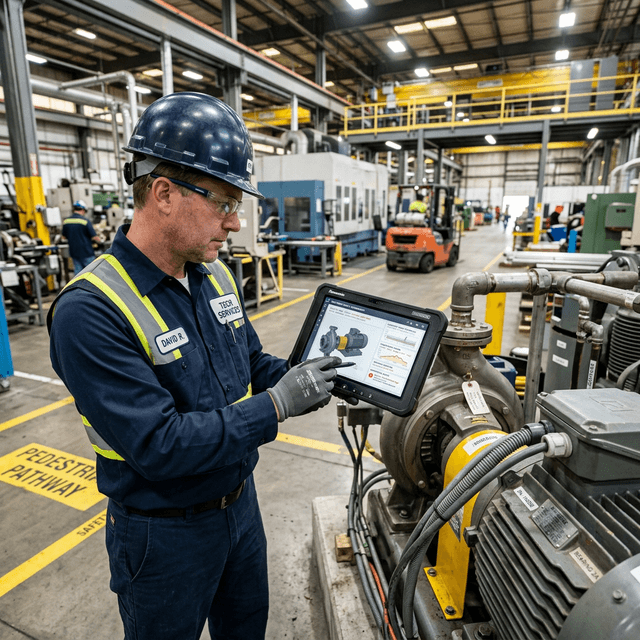
Use historical and live signals with asset context to prioritize maintenance, reduce avoidable downtime, and keep execution visible.
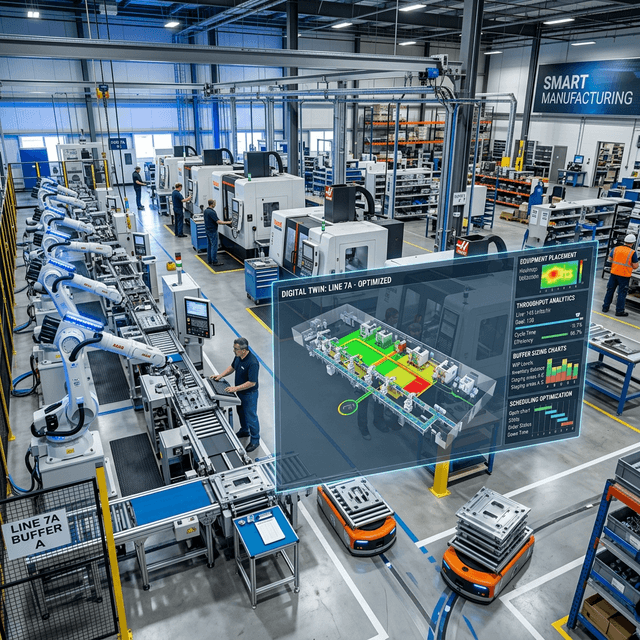
Use Designer and simulation workflows to validate layouts, packaging processes, operating procedures, and physical constraints before rollout.
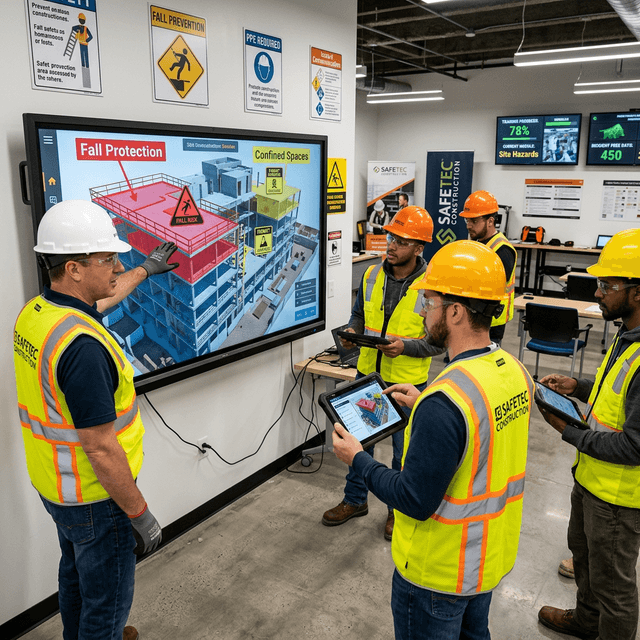
Use Simulator and digital twin-based scenarios to train equipment operators with repeatable practice before they work around real machines.
Dashboards show what happened. Physical AI helps teams understand likely next states and feasible actions.
Natural language becomes useful when recommendations carry asset context, physical constraints, evidence, approval, and execution paths.
The same concept applies to facilities, maintenance, training, process simulation, infrastructure operations, and robotics workflows.
DataMesh helps teams start from a focused operational problem, connect the right data, build an executable twin, validate options, and close the loop in real work.