Governance เริ่มเมื่อข้อมูลเข้าสู่การตัดสินใจ
Industrial data governance เริ่มเมื่อ signal, alarm, meter reading, work order, inspection note, document หรือ calculated indicator เริ่มมีผลต่อการตัดสินใจในการปฏิบัติงาน
สำหรับ operational digital twin การเชื่อมต่อข้อมูลอย่างเดียวไม่พอ ทีมต้องรู้ว่าข้อมูลมาจากไหน อธิบาย asset หรือ space ใด ใช้ unit และ timestamp rule ใด ใครเป็น owner ของ mapping ค่ามีความน่าเชื่อถือหรือไม่ และ AI Agent หรือ dashboard ใดกำลังใช้ข้อมูลนั้น
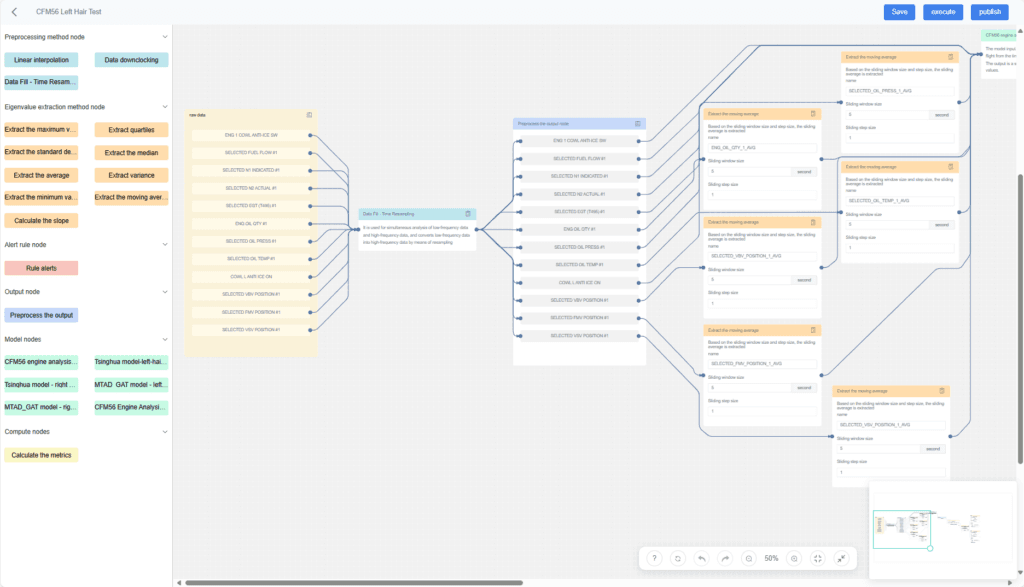
Data Fusion Services สนับสนุนวินัยนี้ใน FactVerse stack โดยเชื่อมต่อ source systems, map data ไปยัง twin entities, clean และ normalize fields, compute indicators, เตรียม data marts และ bind live context เข้ากับ twin
สิ่งที่ DFS ควรช่วย governance
| Area | Practical question | Why it matters |
|---|---|---|
| Source | ระบบใดเป็น owner ของค่านี้ และใครอนุมัติการใช้ | ทำให้ความรับผิดชอบชัดเจน |
| Access | role, site, tenant หรือ network ใดอ่านข้อมูลได้ | ปกป้องข้อมูลการปฏิบัติงานที่ sensitive |
| Entity | ข้อมูลนี้อธิบาย asset, space, system หรือ workflow ใด | เปลี่ยน tag ให้เป็น operating context |
| Unit and time | ใช้ unit, timezone, sampling และ aggregation rule ใด | ทำให้ trend และ comparison มีความหมาย |
| Quality | ค่า missing, stale, interpolated หรือ out of range หรือไม่ | บอกความแข็งแรงของ evidence |
| Lineage | connector, mapping, transform และ release ใดสร้างค่านี้ | สนับสนุน audit และ troubleshooting |
| Consumers | dashboard, AI flow, report หรือ ticket ใดใช้ข้อมูลนี้ | เห็นผลกระทบก่อนเปลี่ยน tag หรือ formula |
Governance ด้วย operational identity
อุปกรณ์เดียวกันอาจมีชื่อหนึ่งใน SCADA อีกชื่อใน historian อีก ID ใน CMMS อีก label ใน BIM และชื่อเล่นจากทีมหน้างาน Governance ต้องเชื่อม alias เหล่านี้เข้ากับ operational identity ที่เสถียร
FactVerse ให้ shared context สำหรับ spaces, assets, systems, relationships, documents, data bindings และ workflows ส่วน Data Fusion Services map source fields และ tags เข้ากับ context นั้น เพื่อให้แต่ละค่าผูกกับ physical object และ operating loop ที่ถูกต้อง
Identity governance ควรครอบคลุม site, building, floor, zone, room, line, route, asset class, asset ID, owner, lifecycle state, system relationships, aliases, documents, SOPs, inspection points, work-order references และ permission boundaries
Data quality, lineage และ change control
Time-series values และ events เปลี่ยนตลอดเวลา ควรมีกฎสำหรับ missing values, stale thresholds, unit conversion, timestamps, sampling, aggregation, outliers, sensor replacement, alarm logic และ calculated indicators
ข้อมูลอุตสาหกรรมมักเปลี่ยนแบบเงียบ ๆ เช่น BMS point ถูก rename, meter ถูก replace, historian tag ถูกย้าย, CMMS field เปลี่ยนความหมาย หรือ KPI formula ถูกปรับ Twin อาจยังดูถูกต้อง แต่ data context ข้างใต้เริ่มผิด
Change record ควรมี source, connector, tag หรือ formula ที่เปลี่ยน, affected assets และ workflows, downstream consumers, reviewer, approval status, effective date, rollback option และ validation evidence
Access, evidence และ machine learning
Operational data อาจมี restricted rooms, customer-specific layouts, production states, equipment health, energy profiles, maintenance findings และ service records ดังนั้น access boundary ต้องยังชัดเจนเมื่อข้อมูลเข้าสู่ twin
Inspector และ connected work systems บันทึกว่าใคร review finding, ทำ action อะไร, capture evidence อะไร และ condition ดีขึ้นหรือไม่ Records เหล่านี้กลายเป็น governance data สำหรับ AI review และ machine learning รอบถัดไป
Machine learning ต้องการ signal, asset context, operating state, human decision, action และ outcome พร้อมกัน Governance ควรรักษา feature definitions, quality filters, labels จาก work orders, model versions, rejected suggestions และ post-action results
DataMesh rollout pattern
- Choose one decision loop - predictive maintenance, facility inspection, data center asset review, energy evidence หรือ digital SOP execution
- Name data owners - source, identity, mapping, quality, calculation, access และ downstream workflows
- Map operational identity - align spaces, assets, systems, relationships, documents, workflows และ aliases ใน FactVerse
- Connect and govern data - ใช้ Data Fusion Services เพื่อ connect, map, normalize, align timestamps, compute และ mark quality
- Register consumers - dashboards, AI Agent routines, Inspector forms, reports และ ML datasets
- Review changes before release - tag, formula, connector และ permission changes
- Capture outcomes - field evidence, review decisions และ post-action values
- Improve the rules - exceptions, failed mappings, stale data, rejected AI suggestions และ field feedback
Governance checklist
- แต่ละ source มี business owner และ technical owner หรือไม่
- asset, space, system และ workflow identities consistent ข้ามระบบหรือไม่
- units, timestamps, sampling และ quality rules มองเห็นได้หรือไม่
- calculated indicators มี formula, owner และ review date หรือไม่
- lineage จาก connector ถึง downstream consumer ถูกเก็บไว้หรือไม่
- dashboards, AI Agents, reports และ datasets ถูก register หรือไม่
- sensitive spaces, customer records และ restricted documents ถูกป้องกันด้วย role หรือไม่
- field evidence และ work-order outcomes ใช้สำหรับ review และ ML ได้หรือไม่
Public references
Data Fusion Services product page อธิบาย data integration layer ของ FactVerse
Data Readiness guide, Operational Digital Twin Model Governance guide และ Industrial Knowledge Graphs guide อธิบายพื้นฐานที่เกี่ยวข้อง