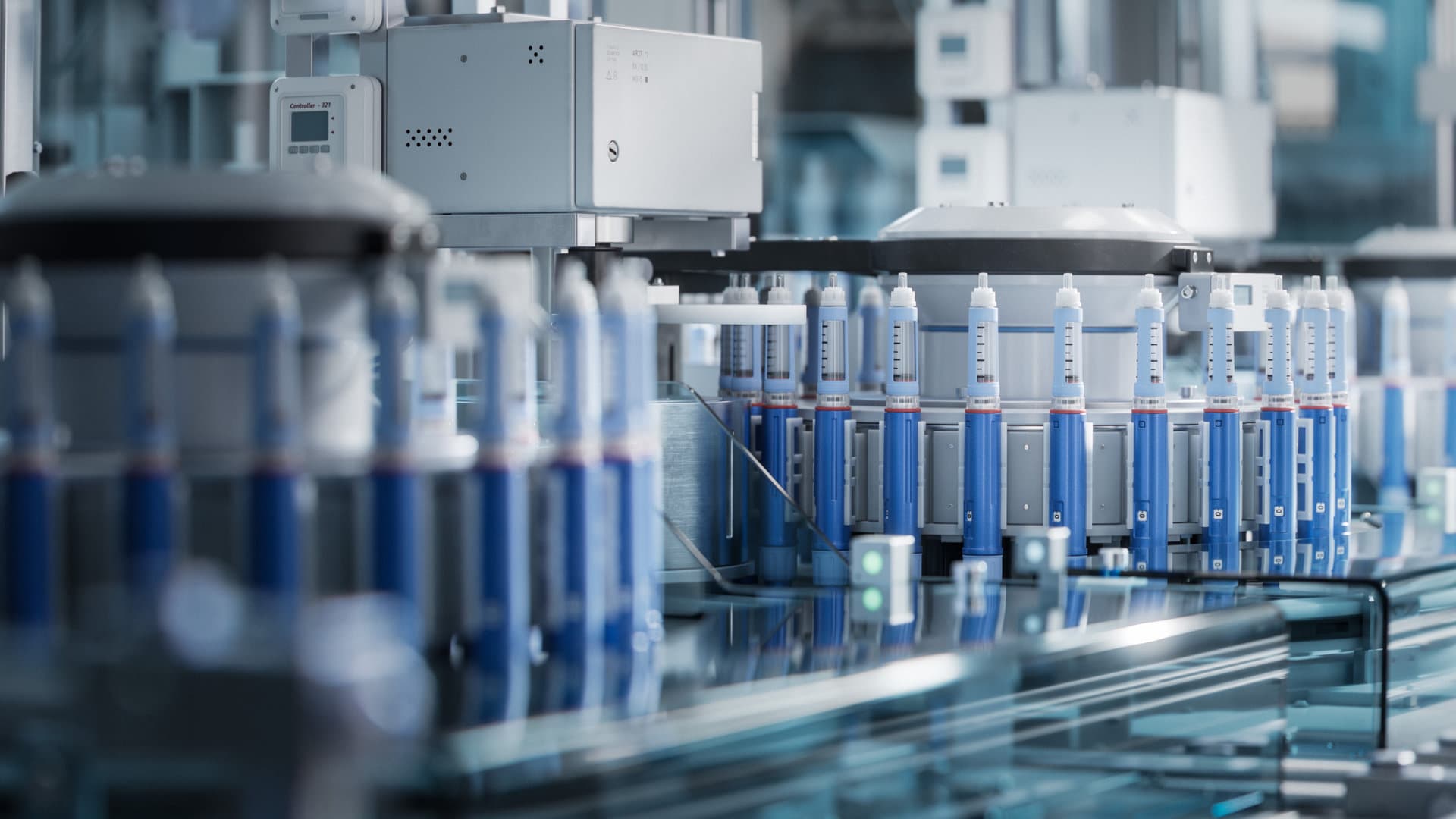
Regulated operations still depend on skilled operators
Pharmaceutical and biopharma facilities combine automated equipment, controlled rooms, utilities, quality systems, and skilled human execution. Many production steps still rely on trained operators for setup, cleaning, sampling, weighing, assembly, disassembly, line clearance, inspection, handoff, and exception response.
The challenge is consistency. Teams need the same procedure version, equipment context, visual reference, safety note, role instruction, and evidence record across shifts, sites, and training cohorts. Paper SOPs, video files, classroom sessions, and disconnected work records make that difficult to sustain.
A digital twin-based SOP workflow gives teams a shared operating context. It connects space, equipment, procedure steps, training records, inspection tasks, work orders, photos, review notes, and change history around the real assets and process areas where work happens.
What a digital SOP should carry
| Layer | Operating detail |
|---|---|
| Procedure version | Approved SOP, revision, effective date, training audience, and owner |
| Spatial context | Room, zone, equipment, utility connection, access path, and safety boundary |
| Task steps | Setup, material preparation, cleaning, sampling, inspection, confirmation, handoff, and closeout |
| Visual guidance | 3D model, animation, label, image, video, checkpoint, and operator prompt |
| Role and training | Required role, training completion, assessment result, refresher cycle, and cohort history |
| Execution record | Operator, time, asset, step status, photo, note, exception, work order, and verification |
| Change history | SOP revision, asset change, content review, training update, and approval route |
The useful target is a record that shows which procedure was used, which asset or area it applied to, who was trained, what was performed, what was observed, and how the result was reviewed.
DataMesh workflow
- Collect procedure sources - Bring together SOPs, work instructions, training material, equipment models, photos, videos, asset lists, room context, maintenance records, and quality review requirements.
- Build the operating context - Use FactVerse to connect rooms, equipment, utilities, documents, process areas, asset history, and role ownership.
- Author guided procedures - Use Director to create 3D SOPs, training scenarios, step prompts, checkpoints, animations, labels, and review-ready content.
- Deliver training and field guidance - Use DataMesh One and mobile or XR devices so operators can learn and follow procedures in the same asset context.
- Capture execution evidence - Use Inspector and Checklist to record inspections, tasks, photos, notes, exceptions, corrective actions, work orders, and verification status.
- Connect operational data - Use Data Fusion Services to bind asset state, alarms, maintenance history, documents, and enterprise records where the workflow needs them.
- Review and improve - Use consistent records to support quality review, retraining, abnormal event analysis, maintenance closure, and CSV evidence preparation.
This gives operations, quality, training, and engineering teams one reviewable trail from training to execution.
Where teams usually start
- Operator onboarding: teach room layout, equipment identity, clean execution expectations, and common handoffs before production work.
- Setup and changeover: guide setup, assembly, disassembly, verification, and line-clearance work with visual checks.
- Cleaning and inspection: connect step guidance, photo evidence, inspection results, and corrective actions to the relevant asset or area.
- Sampling and weighing: provide guided prompts, equipment context, role instructions, and completion records for repeatable work.
- Maintenance and calibration support: connect equipment history, field tasks, work orders, acceptance notes, and related SOP references.
- Deviation and abnormal review: gather what happened, where it happened, which step was involved, and what follow-up was completed.
The best pilot is a procedure with high training burden, repeated handoff issues, or strong evidence requirements.
GMP and CSV evidence structure
GMP programs need controlled, repeatable, and traceable manufacturing practice. For SOP execution, that means clear version ownership, trained personnel, approved work steps, reliable records, and reviewable exceptions.
CSV programs focus on computerized systems used in regulated workflows. For digital SOPs and inspection workflows, useful evidence includes intended use, system scope, access roles, version control, workflow records, change history, test evidence, and quality review materials.
DataMesh supports these evidence structures by keeping procedures, training completion, work records, inspection evidence, asset history, corrective actions, and change records connected to the relevant process and equipment context.
Product roles
Director creates guided 3D SOPs, training scenarios, animations, labels, checkpoints, and field instructions.
Inspector manages inspections, work orders, repair records, evidence capture, verification, and field history.
Checklist supports recurring tasks, structured forms, completion records, and mobile execution.
FactVerse provides the operating digital twin context for spaces, assets, documents, workflows, and data bindings.
Data Fusion Services connects DCS, SCADA, historians, CMMS, EAM, LIMS, alarms, sensors, documents, and enterprise systems when data integration is in scope.
FactVerse AI Agent can support review by summarizing repeated issues, abnormal trends, and related work history for qualified teams.
Governance checklist
- Are SOP versions, owners, effective dates, and training audiences recorded?
- Are room, equipment, utility, document, and asset identifiers consistent across systems?
- Are training completion, assessment, and refresher records linked to the correct procedure version?
- Are field tasks linked to the correct asset, area, step, operator role, and review status?
- Are photos, notes, exceptions, corrective actions, and verification records structured for later review?
- Are access roles, content approval, change review, and release controls documented?
- Are system scope, intended use, version history, and test records available for CSV preparation?
- Are quality, operations, training, engineering, and maintenance owners aligned before rollout?
These checks help turn digital SOP content into an operating evidence system.
Public references
The Swire Coca-Cola reference shows maintenance process and frontline training digitization.
The Foxconn reference shows FactVerse used for training and maintenance workflows.
The expressway safety training reference shows digital twins and mixed reality used to improve practical training.
The Yokogawa and DataMesh reference shows the broader pattern of connecting industrial facility signals to maintenance review.