Integration starts with operating identity
Most facility and industrial teams already run several systems around daily work. CMMS or EAM manages maintenance records and asset history. BMS watches building systems and alarms. SCADA, IoT, MES, ERP, document repositories, and ticketing systems each hold part of the operating picture.
The weak point is usually identity. The same pump, air-handling unit, chiller, electrical panel, cleanroom utility, data center asset, or production-support system can appear under different names across drawings, BMS points, maintenance records, inspection checklists, and field notes. When an alarm appears, the team may need to search across systems before it can understand the affected asset, physical location, risk, procedure, and owner.
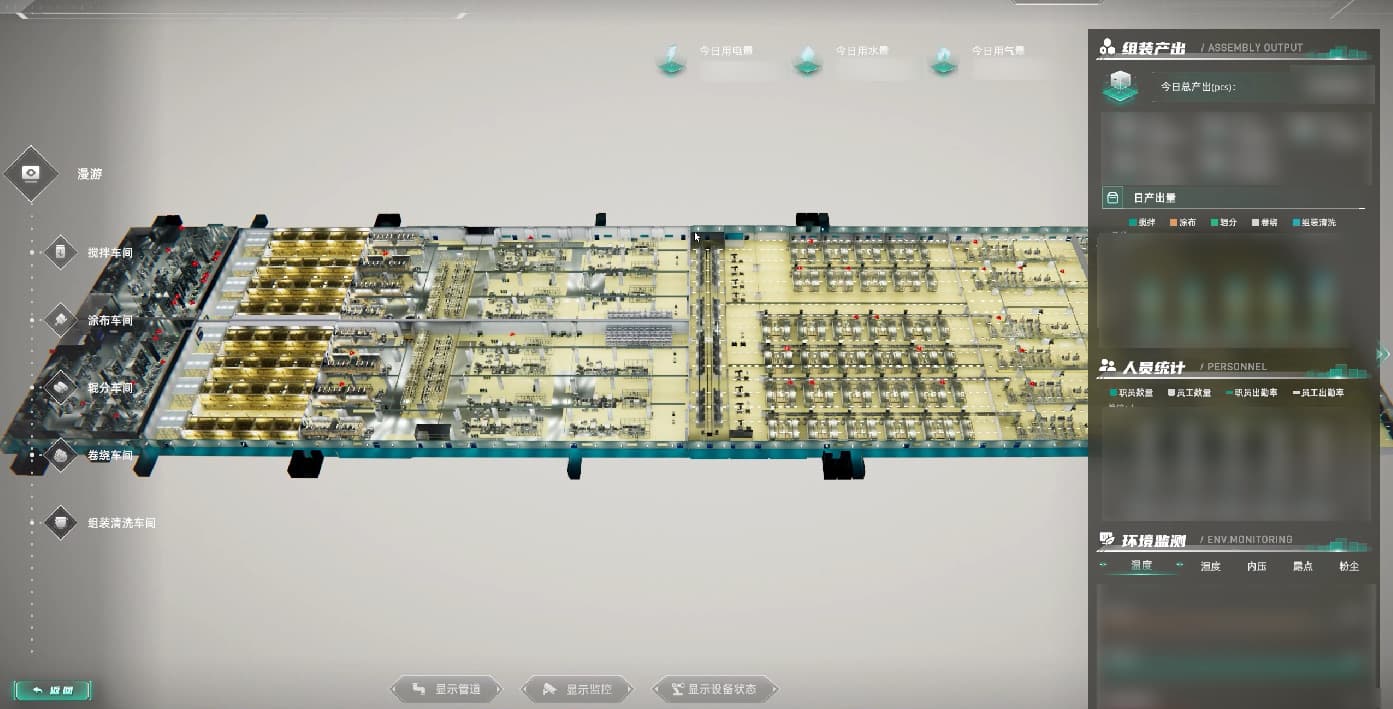
An operational digital twin gives those systems a shared context layer. It connects assets, spaces, systems, live values, alarms, documents, procedures, work records, and field evidence so teams can review a task in the environment where the work happens.
What to align first
Integration should begin with the objects that make work traceable:
| Layer | Integration focus |
|---|---|
| Asset identity | equipment IDs, tags, serial numbers, maintainable items, parent-child relationships |
| Location hierarchy | site, building, floor, zone, room, line, plant area, rack, system boundary |
| System relationships | HVAC, electrical, water, gas, compressed air, process utilities, data center systems |
| Signals and alarms | BMS points, IoT readings, SCADA tags, alarm types, thresholds, severity, time window |
| Work records | CMMS or EAM work orders, inspection tasks, preventive maintenance, service history |
| Documents | manuals, drawings, SOPs, permits, calibration records, validation documents |
| Field evidence | photos, readings, checklists, repair notes, acceptance results, reviewer decisions |
The goal is a stable reference model. A BMS alarm, work order, inspection route, document, and AI Agent recommendation should refer to the same asset and location context.
CMMS and EAM integration
CMMS and EAM systems usually remain the maintenance system of record. They hold asset registers, work-order numbers, preventive maintenance plans, spare-parts history, labor records, and closure status. The operational digital twin adds context around those records.
Useful integration patterns include:
- showing work orders on the asset and location inside the digital twin
- linking maintenance history to equipment, rooms, systems, and routes
- opening inspection or repair tasks from twin context
- sending field evidence back to the approved work-order record
- comparing repeated work orders across similar assets or locations
- connecting manuals, drawings, and SOPs to the task view
- preserving reviewer decisions and exception notes for future analysis
This lets maintenance planners and field teams see the physical impact of work, compare recurring issues, and close tasks with better evidence.
BMS, IoT, and SCADA data
BMS data becomes more useful when point names are connected to maintainable assets and physical spaces. A temperature reading, pressure value, valve state, pump alarm, or energy meter can then be reviewed with the affected equipment, room, upstream and downstream systems, maintenance history, and operating procedure.
Data Fusion Services can connect point data, alarms, event streams, enterprise records, and documents to FactVerse. FactVerse can then represent the relationships among asset, space, system, signal, document, and workflow.
Teams should decide:
- which point names map to which assets and spaces
- which alarms require inspection, maintenance, escalation, or observation
- which values are used for energy review, reliability review, or compliance evidence
- how data quality issues are flagged
- which systems own alarm status, work-order status, and closure records
- which history is retained for trend analysis and machine learning evaluation
Stable mapping matters more than broad ingestion. A smaller set of governed signals can support better operations than a large stream with unclear ownership.
From alarms to work orders
The most useful integration pattern is the operating loop from signal to reviewed action:
- Detect - BMS, IoT, SCADA, inspection, or AI Agent identifies an alarm, abnormal trend, missed task, or repeated exception.
- Ground - FactVerse links the finding to the asset, space, system relationship, live values, documents, SOPs, and work history.
- Review - The responsible team reviews severity, evidence, operating impact, safety notes, and recommended checks.
- Dispatch - Confirmed work becomes a task in Inspector, Checklist, CMMS, EAM, or another approved execution system.
- Execute - Field teams use asset context, checklists, photos, readings, manuals, and procedure guidance to complete the task.
- Capture - Notes, readings, photos, replaced parts, exceptions, acceptance results, and reviewer decisions are recorded.
- Learn - Outcomes and corrections feed data-quality review, recommendation tuning, and machine learning evaluation.
This loop keeps AI-assisted recommendations connected to human review and field evidence.
Facility and data center operations
In smart buildings, campuses, data centers, and industrial facilities, integration often starts with recurring operational questions:
- Which asset is affected by this alarm
- Which room, system, tenant, production area, or data hall may be affected
- Has the same issue appeared before
- Which SOP, drawing, manual, or safety note applies
- Is this a maintenance issue, energy review issue, operating exception, or inspection task
- What evidence is required before the work can be closed
Data center teams can use the same pattern for asset management, energy calculation, inspection, maintenance, and visualization across sites. Facility teams can connect BMS alarms, energy meters, equipment records, inspection routes, and Green Mark related evidence while project assessment continues to follow official criteria and the project team's review process.
Product roles
DataMesh FactVerse provides the operational context layer for assets, spaces, systems, relationships, permissions, records, and scene views.
Data Fusion Services connects CMMS, EAM, BMS, IoT, SCADA, documents, work records, and enterprise data to the right twin objects.
Inspector manages alarms, inspections, work orders, field evidence, photos, repair notes, acceptance records, and operational handoff.
Checklist structures repeatable inspection routines, required readings, signoffs, and compliance-oriented field records.
FactVerse AI Agent can review connected signals, alarms, documents, work history, and field feedback around the clock. It can support triage, summarize evidence, recommend next checks, and evaluate feedback data after tasks are completed.
FactVerse Twin Engine maintains the runtime model for twin state, relationships, interaction, and operational visualization.
Implementation checklist
- Are asset IDs consistent across CMMS, EAM, BMS, drawings, and field labels?
- Is the location hierarchy clear enough for mobile teams and remote specialists?
- Are BMS points and alarms mapped to assets, spaces, systems, and severity rules?
- Are work-order ownership, status, closure, and evidence fields defined?
- Are inspection routes and checklist items tied to the same asset and space model?
- Are manuals, drawings, SOPs, permits, and validation records linked to work context?
- Are photos, readings, exceptions, and reviewer decisions stored for later review?
- Are AI Agent use cases grounded in governed asset, signal, alarm, document, and work-order data?
- Are data owners, refresh cadence, access rules, and cybersecurity responsibilities clear?
Public references
The Yokogawa and DataMesh predictive maintenance reference shows how industrial data, AI analysis, and maintenance workflows can be connected around facility operations.
The JTC collaboration shows DataMesh digital twin work in complex facility environments where spatial context, equipment state, and frontline workflows matter.
The NIO smart factory reference shows how factory digital twins can connect operational visibility, equipment context, and cross-team collaboration.
The AI alerts to closed-loop work orders guide, Data Center Operations guide, and Green Mark and Brick Schema guide provide adjacent patterns for work-order execution, facility operations, and evidence traceability.