How a Lighthouse Factory Builds Frontline Talent: Faurecia's XR Training Practice
Faurecia's Yancheng plant uses DataMesh Director to bring XR training into critical frontline skills training, helping teams practice standardized procedures, reduce equipment occupation and safety risk, and turn training records into a repeatable capability.
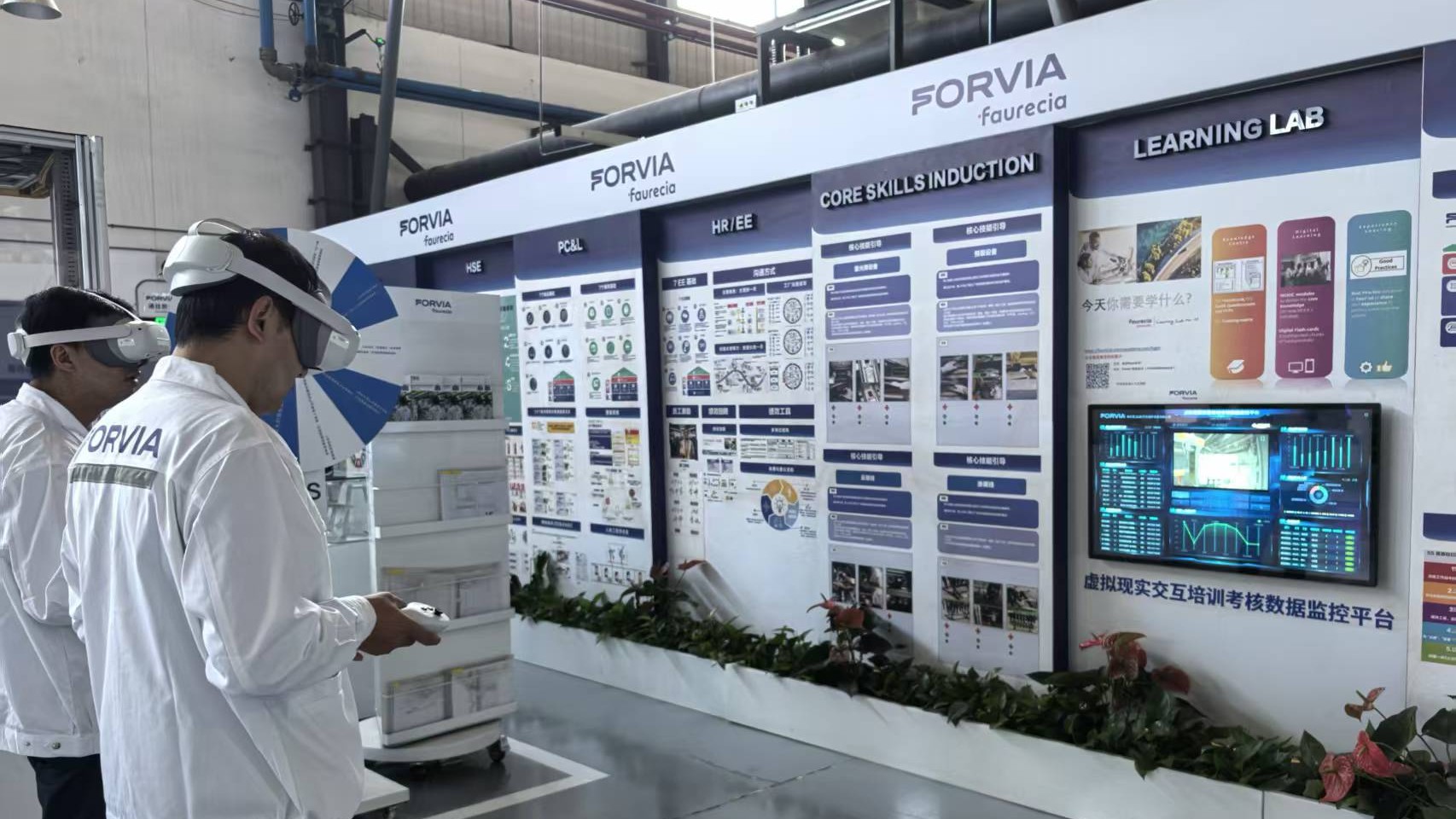
In manufacturing, the ability to develop frontline talent quickly and consistently is becoming a core part of operational competitiveness.
As the world's largest automotive seat slide production base and a World Economic Forum Lighthouse Factory in the automotive seating sector, Faurecia Automotive Systems (Yancheng) needs training methods that can support complex production tasks, changing processes, and strict quality requirements at scale.
Working with DataMesh, the plant introduced XR training courseware and a digital training management platform into critical skills training. Employees can learn procedures, practice repeatedly, and complete standardized assessments in a virtual environment before moving to live equipment, reducing equipment occupation, safety risk, and disruption to production.
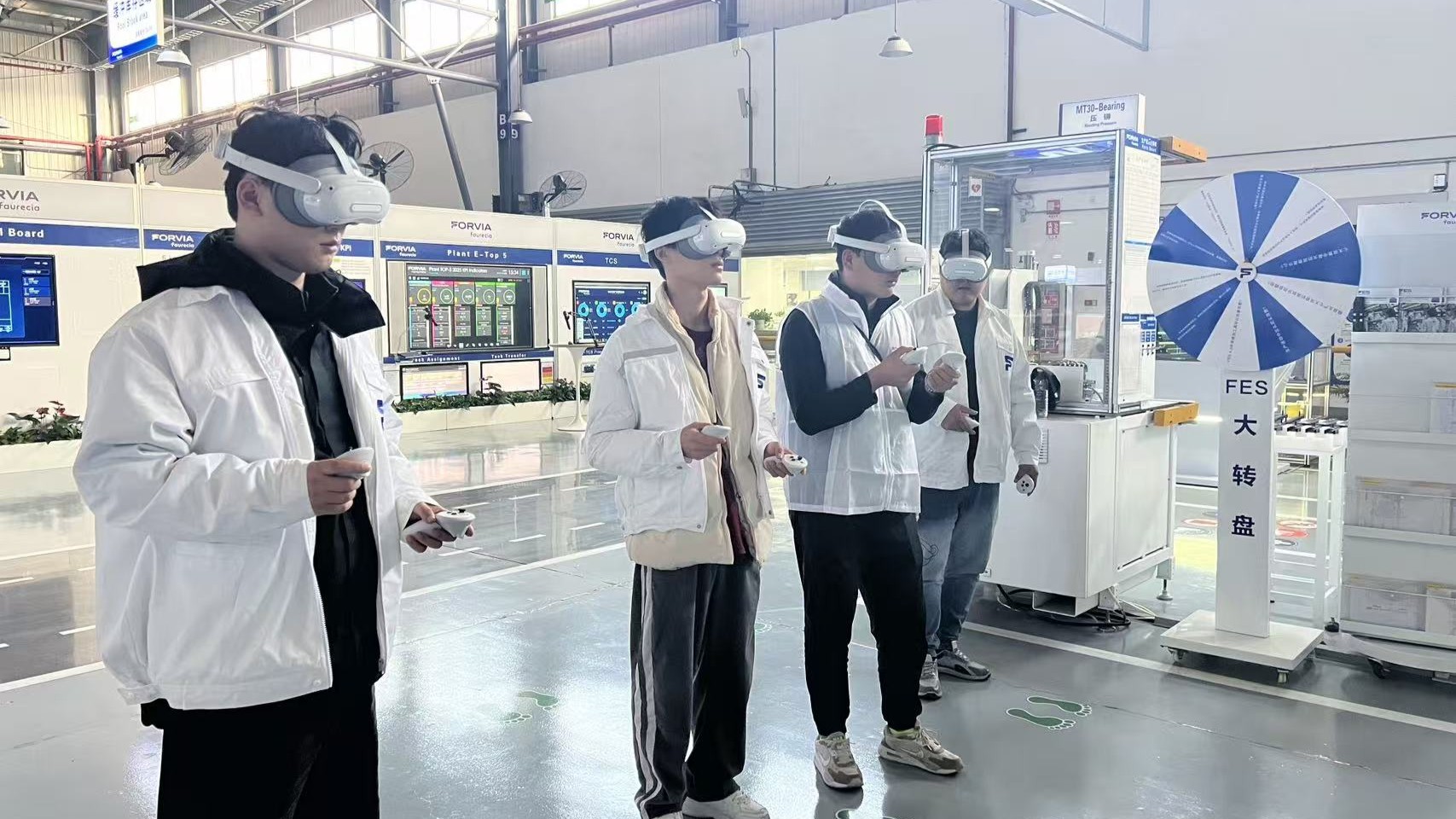
The challenge: critical maintenance skills are hard to practice on live equipment
A belt replacement task on the production line illustrates the limits of traditional training. The task happens infrequently, yet it is critical to production continuity. The full process takes nearly four hours, involves many steps, and leaves little room for mistakes.
Traditional classroom instruction and master-apprentice demonstrations make this kind of training difficult to scale. Training often has to wait for a suitable production window. Team leaders must repeat demonstrations for different groups. Real equipment introduces heating, insulation, cooling, and other physical waiting time. Materials can be consumed during practice, and different trainers may produce different results.
For a Lighthouse Factory pursuing standardized, repeatable operations, training cannot depend only on limited equipment availability and individual experience.
The solution: a repeatable talent development system built with DataMesh Director
DataMesh Director supports the creation, management, and delivery of interactive 3D training content. In Faurecia's project, Director was used to build a VR training environment for key workstations, connect training content management, and collect assessment data for continuous improvement.
1. Recreate the workstation at full scale before employees work on real equipment
The system recreates the production line, equipment, tools, operating sequence, and key actions in a full-scale virtual environment. Employees can see the structure of the workstation, understand the order of operations, and repeat the procedure until they are familiar with the task.
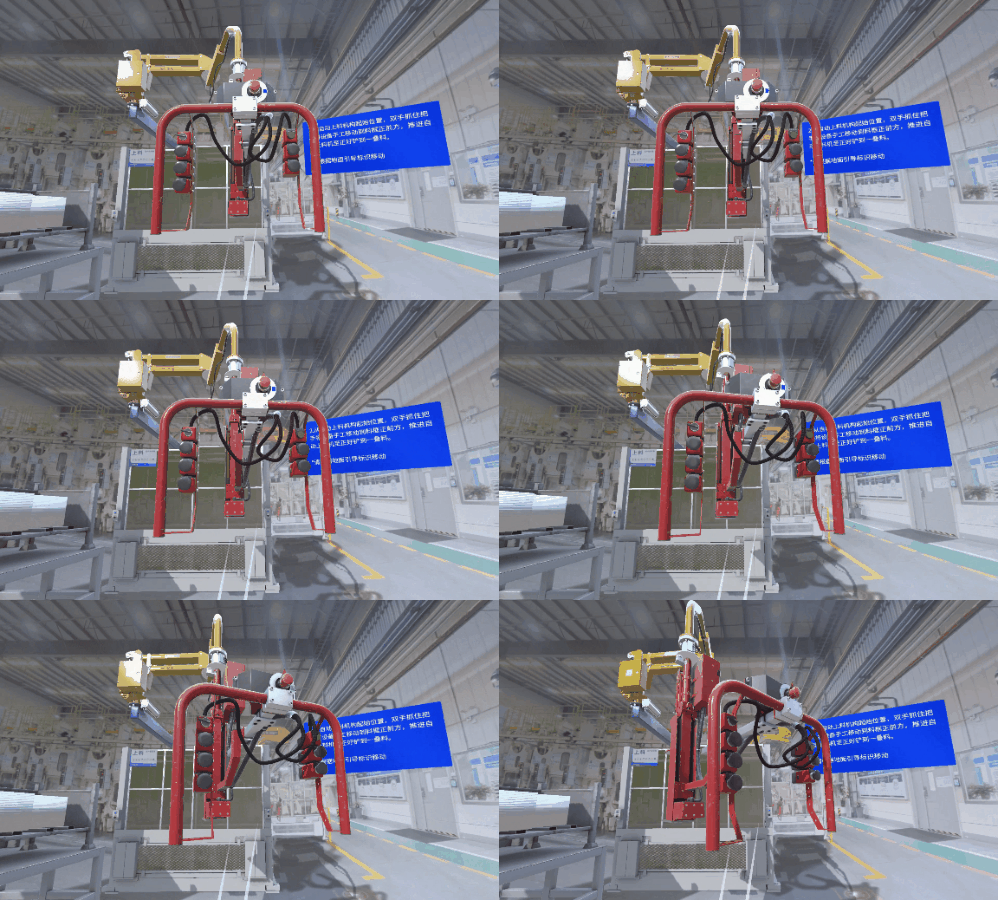
This approach reduces the need to occupy production equipment for training, avoids material waste during practice, lowers the pressure on team leaders, and lets employees make mistakes safely before entering the real production environment. For processes that contain physical waiting time, the virtual environment can compress the timeline so employees can practice many times within the time previously required for one training session.
2. No-code authoring keeps training content aligned with production changes
Production processes change, equipment is updated, and standards continue to improve. Traditional VR content can take months to rebuild after a process change, making it difficult for training materials to stay synchronized with the line.
With DataMesh Director, trainers and process experts can update 3D training content through a no-code authoring workflow. They can adjust steps, update prompts, and publish new versions without waiting for a specialized development cycle. Training content becomes easier to maintain as the production line evolves.
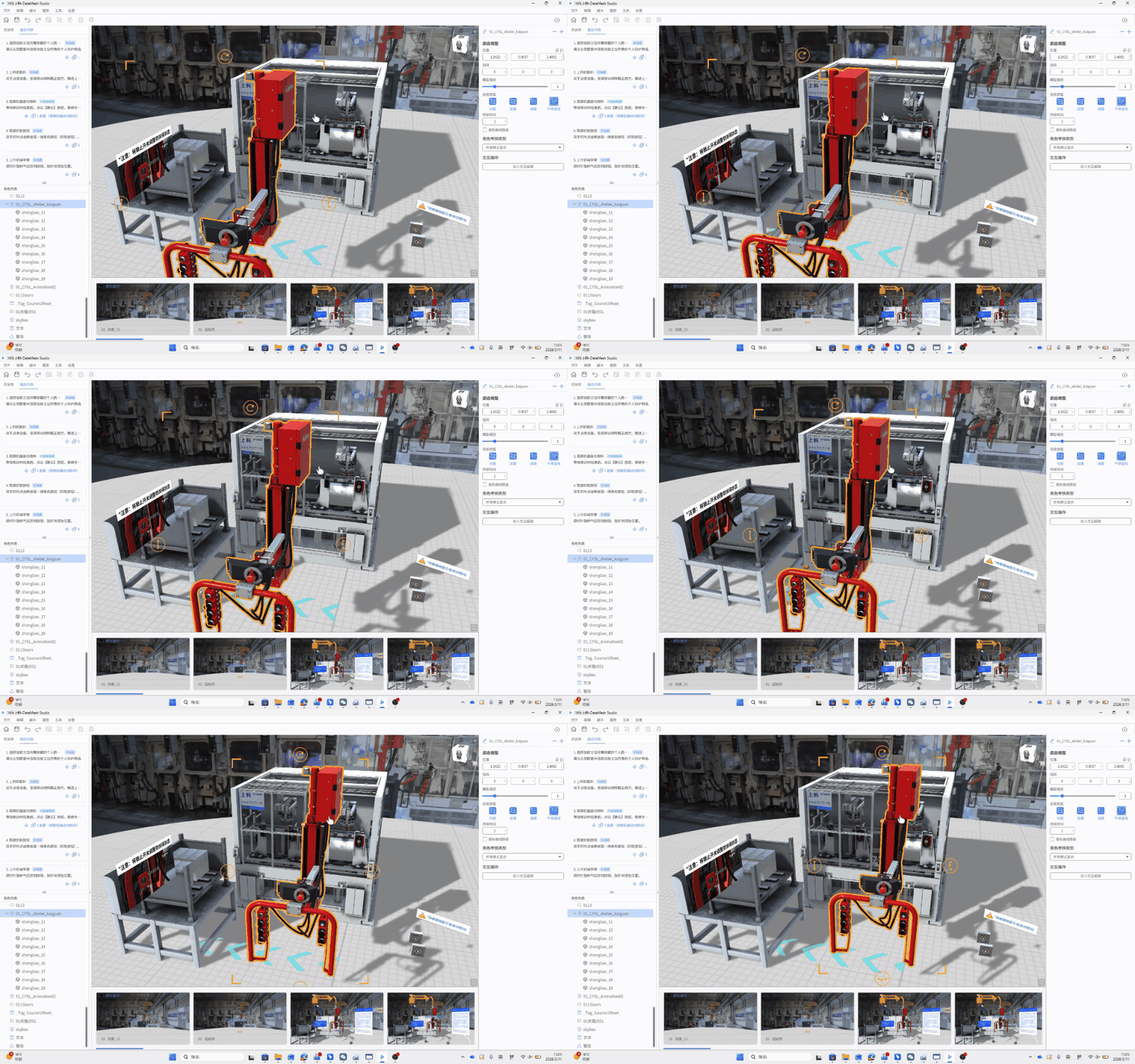
3. A learn-practice-assess loop turns training into managed operational data
In the virtual training process, the system can recognize operating behavior, provide prompts, record missed steps and incorrect actions, and guide employees toward standardized completion. Before operating real equipment, employees can go through a consistent assessment process.
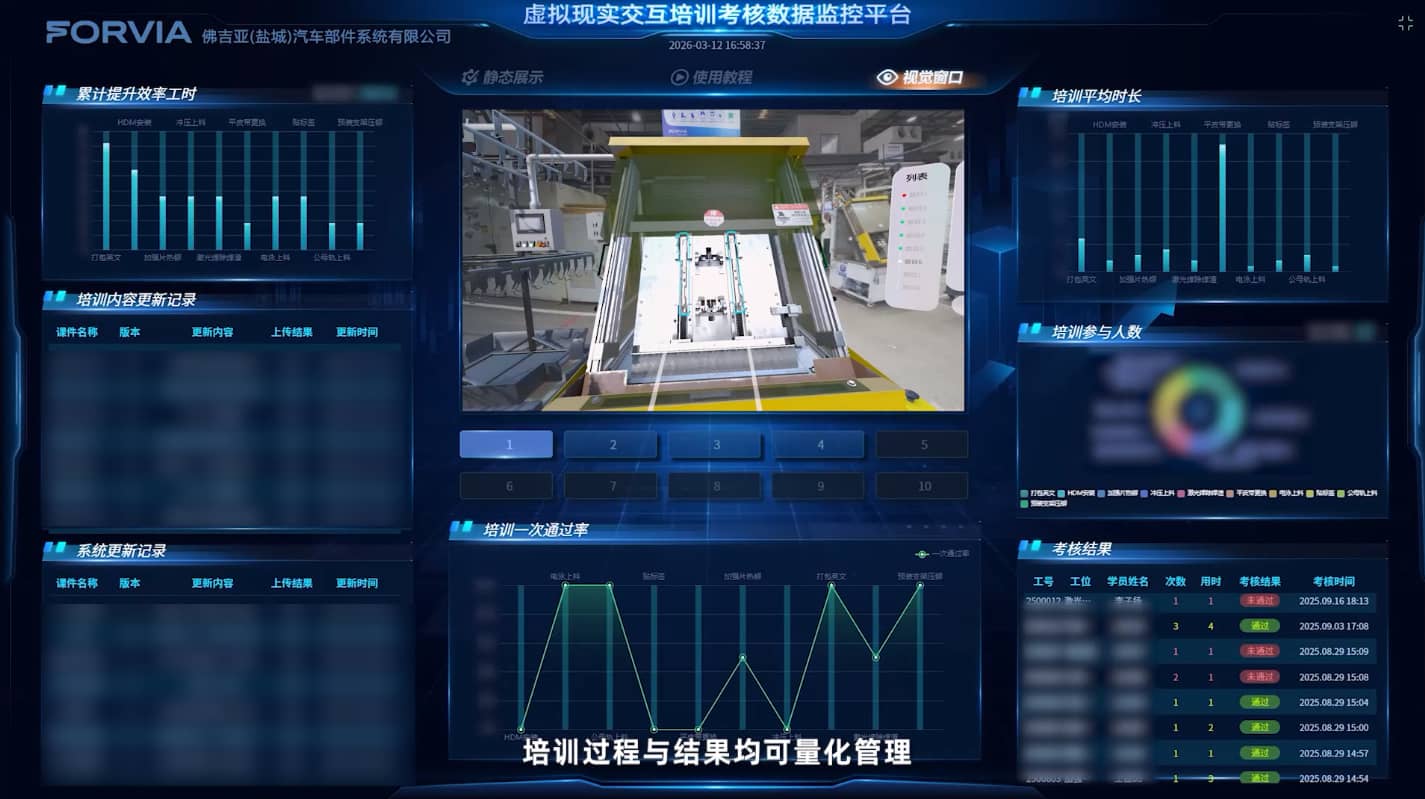
Training records and assessment results are collected in the management platform. Supervisors can identify steps where employees often make mistakes, compare training progress across teams, and decide where additional coaching or SOP optimization is needed. Training becomes a managed process with data that can be reviewed and improved.
Results: from training efficiency to organizational capability
After deployment, Faurecia reported measurable improvements in frontline training. Training time for related scenarios was shortened by 40% to 70%. The onboarding rhythm for new employees moved from a weeks-long cycle toward a days-level process. Labor-hour cost was reduced, and equipment occupation time for training was reduced by roughly two-thirds.
The larger value is consistency. Employees can practice the same procedure, receive the same prompts, and pass the same assessment before working on live equipment. This helps reduce variation in training quality and supports more stable execution on the production line.
A new foundation for manufacturing workforce development
Faurecia's practice shows how XR training can help manufacturing teams turn important operational knowledge into reusable digital content, repeatable practice, and measurable assessment data.
For manufacturers facing workforce turnover, complex processes, and rising quality requirements, this creates a practical foundation for faster onboarding, safer training, and continuous improvement of frontline skills.
DataMesh will continue working with manufacturing customers to bring digital twins, XR training, and AI-enabled operational workflows into daily production, helping frontline teams learn faster and execute with greater consistency.