Cleanroom condition investigation
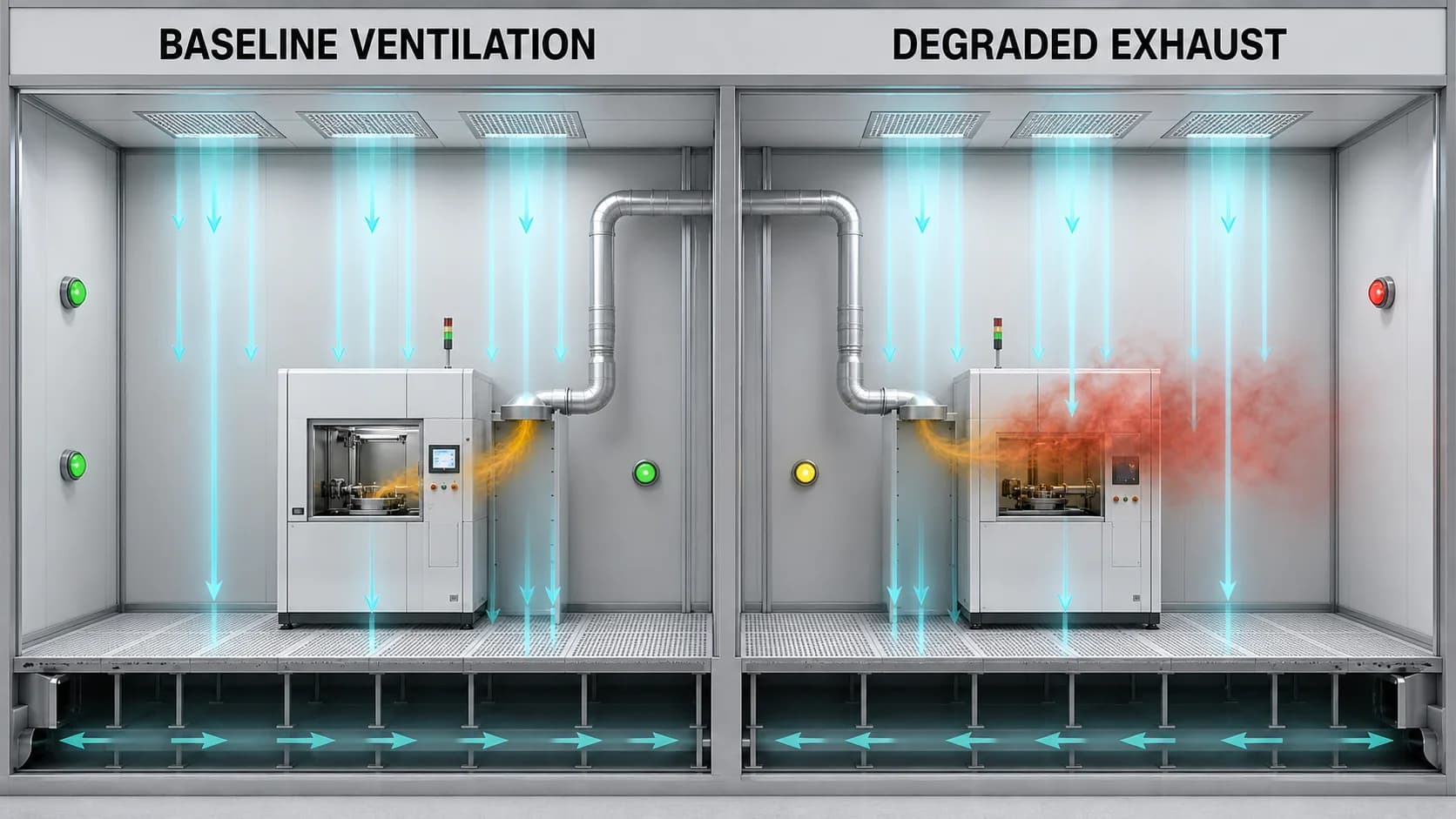
Relate pressure, particle, temperature, humidity, and alarm changes to affected zones, utility systems, assets, and recent work.
Run critical facilities with context and evaluate cleanroom changes before implementation
Connect cleanroom conditions, facility utilities, maintenance execution, and project-enabled airflow and species-dispersion studies in one governed semiconductor facility workflow.
Connect data, workflows, and field execution so teams can understand context, act faster, and keep work traceable.
Connect environmental conditions, pressure relationships, zones, alarms, facility assets, and maintenance history in one operational view.
Relate heating, ventilation, and air-conditioning, chilled water, compressed dry air, vacuum, exhaust, and power systems to the spaces and tools they support.
Use FactVerse AI Agent to review trends, recurring alarms, asset relationships, and maintenance context before engineers approve a response.
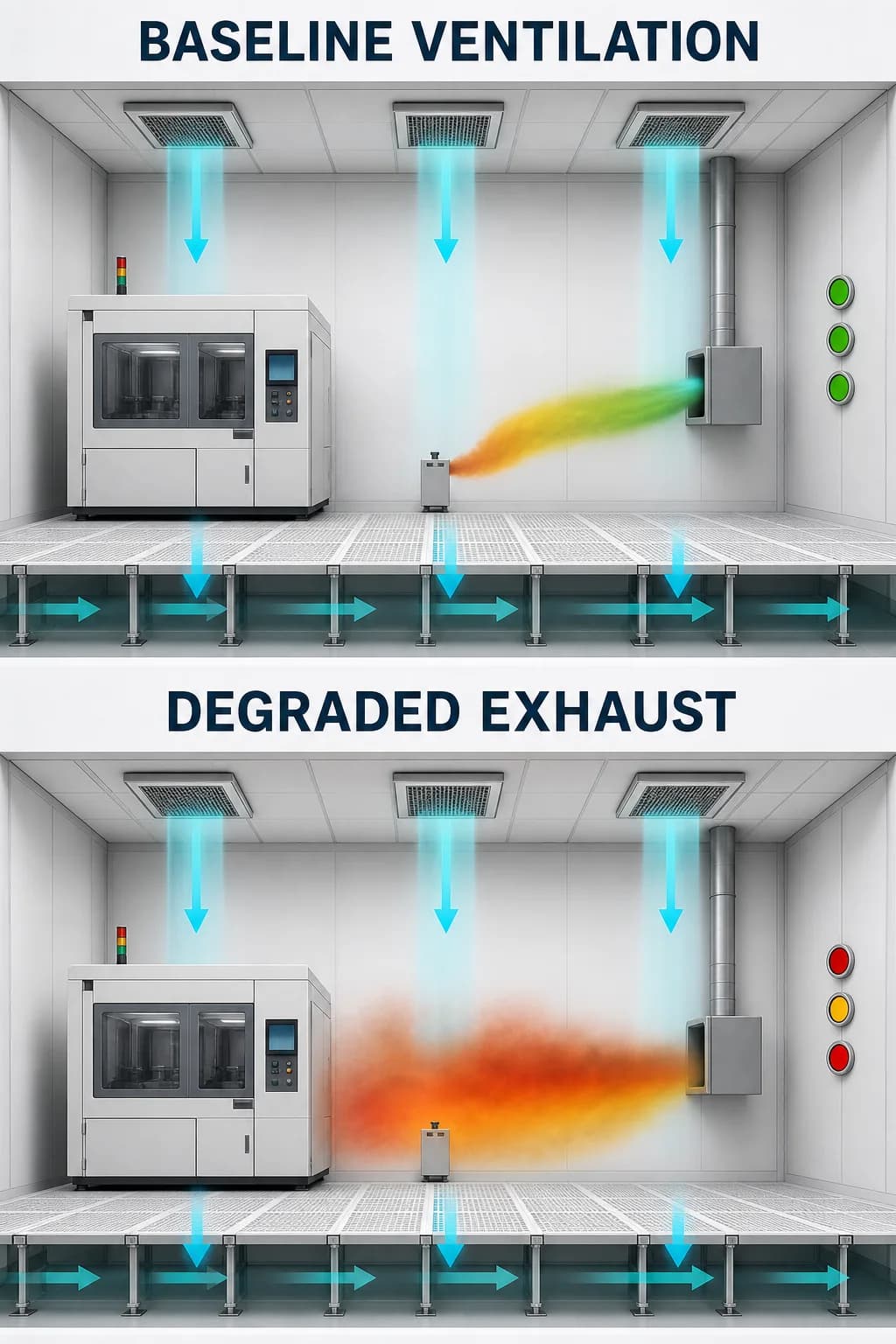
Compare airflow, thermal conditions, and species-dispersion scenarios for selected bays, layouts, and operating states.
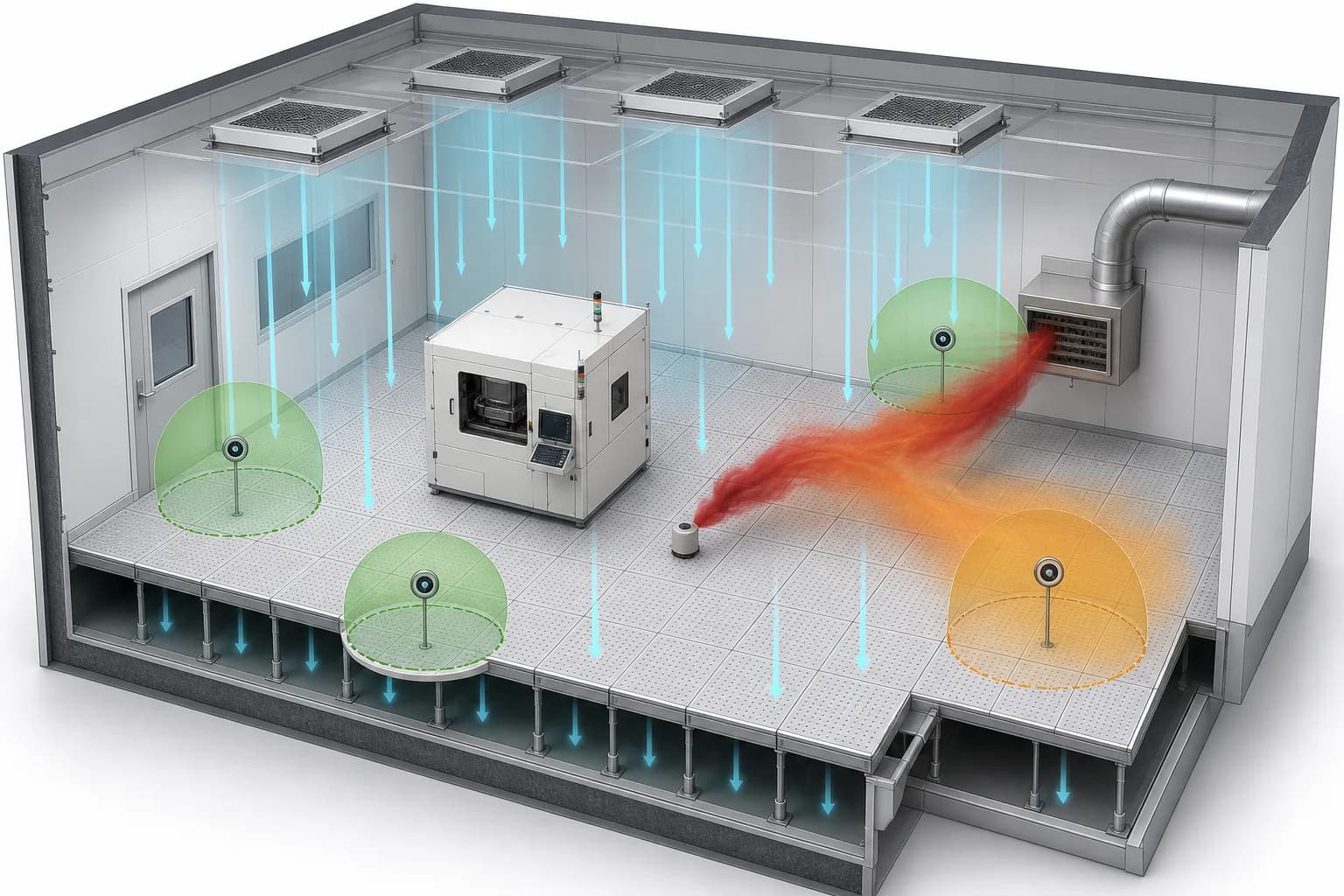
Evaluate local exhaust capture, detector coverage, potential blind spots, and degraded ventilation states with traceable scenario inputs.
Turn approved findings into assignments, field instructions, work records, and closure evidence through Inspector.
Practical applications and proven success scenarios across industries.
Relate pressure, particle, temperature, humidity, and alarm changes to affected zones, utility systems, assets, and recent work.
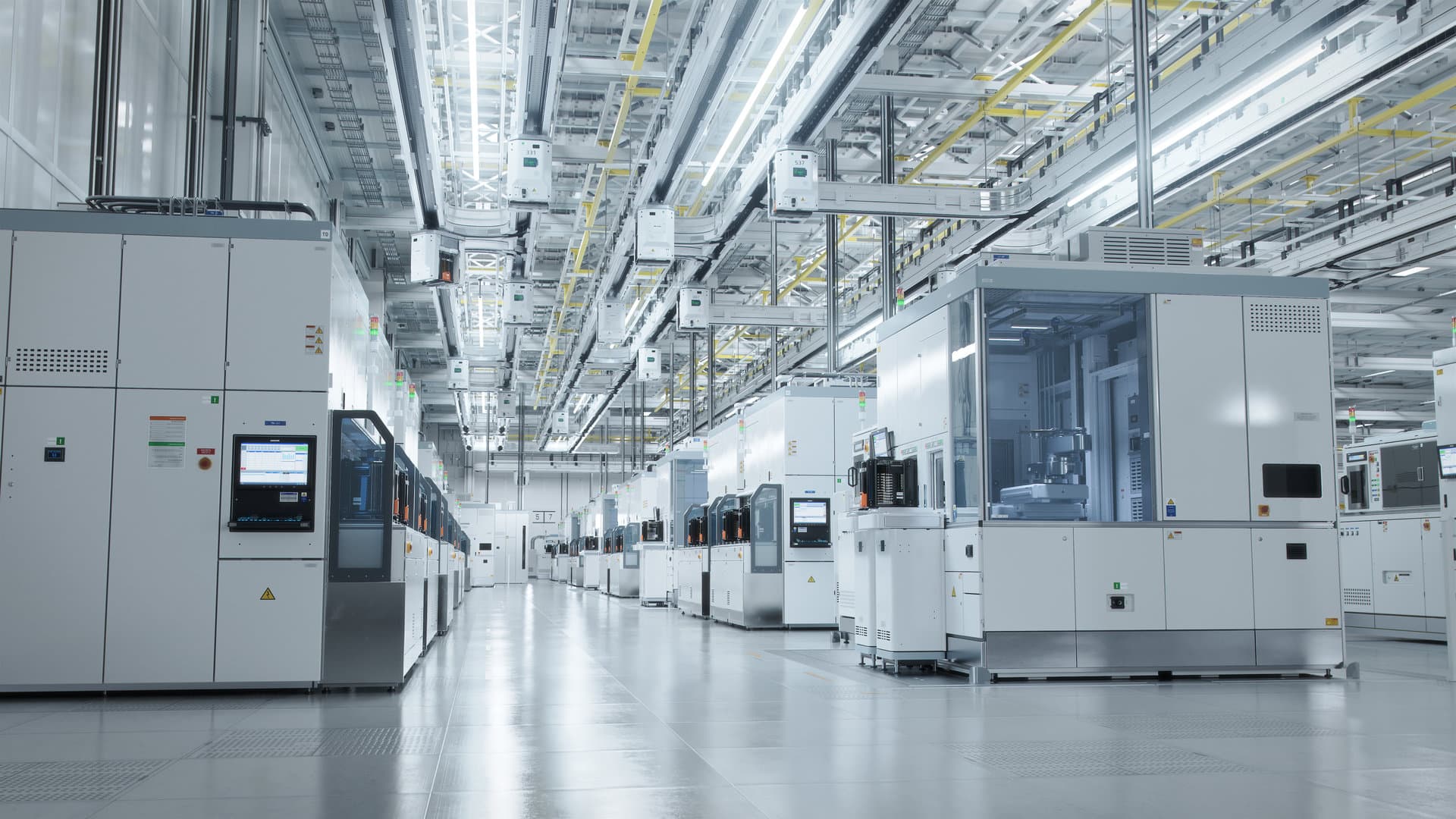
Prioritize facility equipment using condition trends, operational impact, inspection history, and maintenance records.
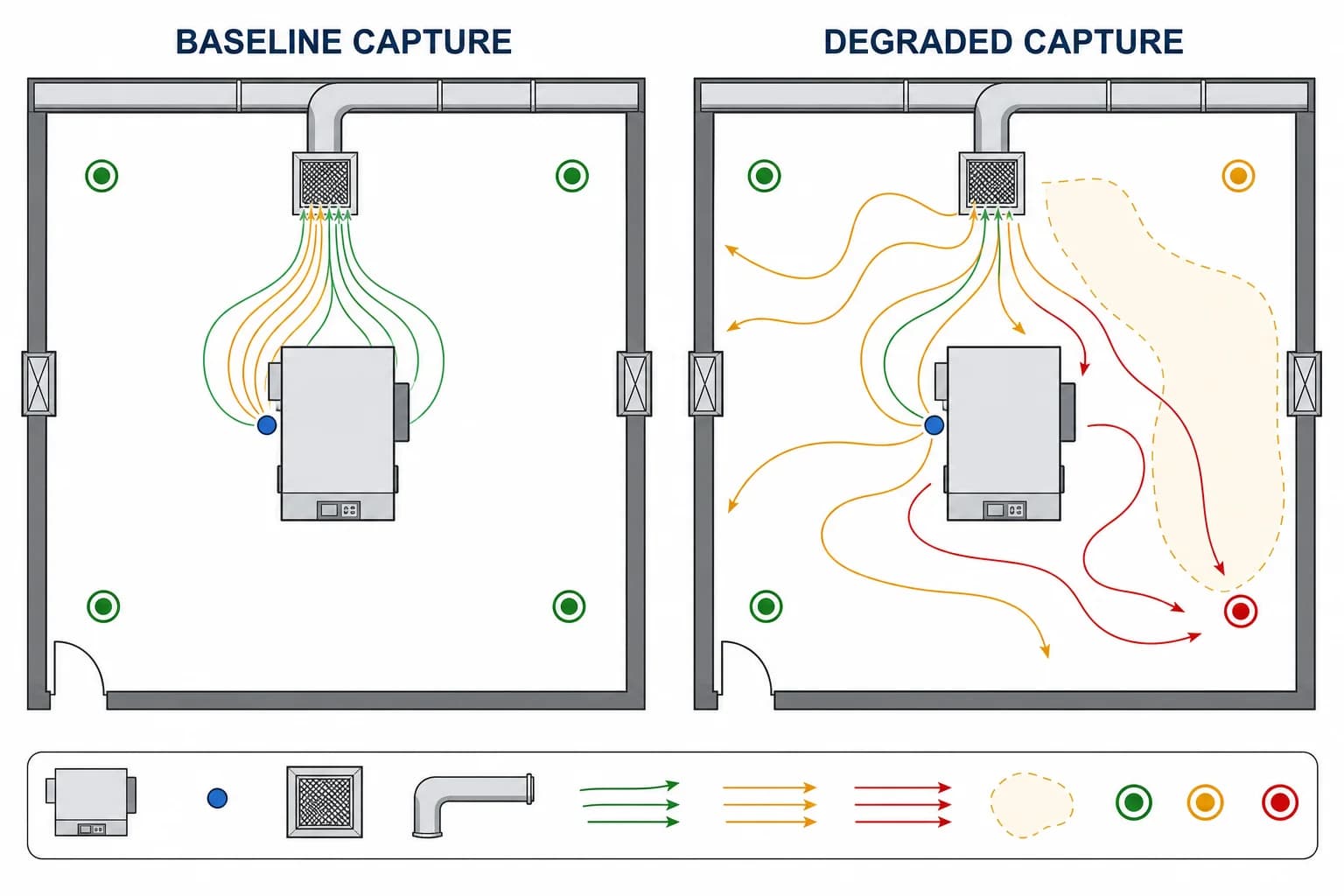
Compare tool layouts, release locations, fan filter unit states, exhaust capacity, and door conditions for a defined engineering question.
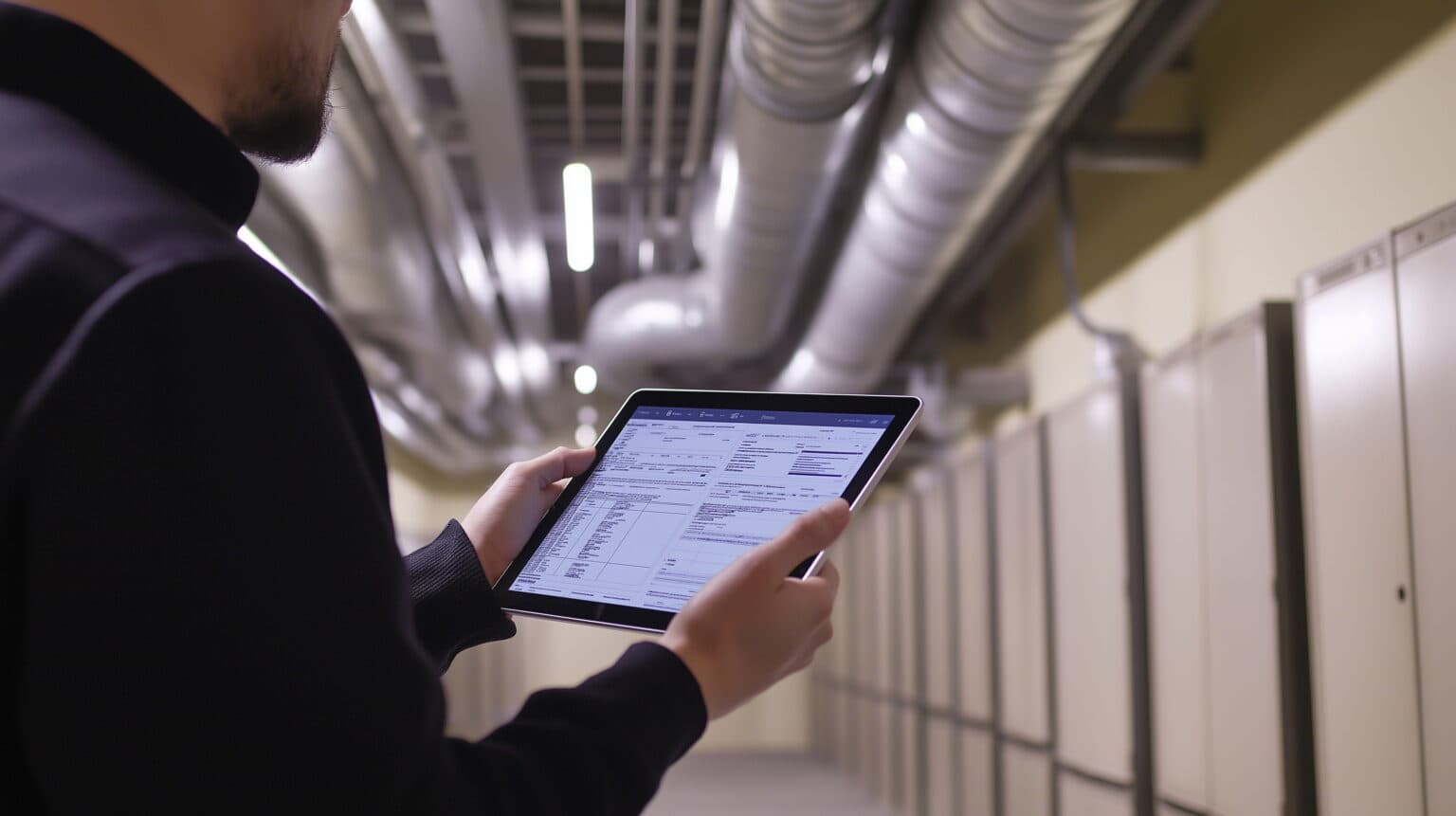
Review time-to-detection distributions, coverage patterns, potential blind spots, and approved response work across representative scenarios.
Semiconductor production depends on stable cleanroom conditions and reliable facility utilities. Environmental monitoring, building systems, equipment telemetry, meters, alarms, maintenance records, engineering models, and field work often remain separated. DataMesh connects them to the same spaces, utility systems, assets, and operating responsibilities.
This creates two connected working rhythms. Facility teams use the operational twin every day to investigate conditions and manage work. Engineering and environmental, health, and safety teams use project-enabled simulation to compare selected airflow, dispersion, exhaust, detector, and ventilation scenarios before a change is implemented.
The operational layer can support heating, ventilation, and air-conditioning (HVAC), chilled water, compressed dry air, vacuum, local and general exhaust, electrical distribution, environmental monitoring, and other critical facility systems selected for the program.
Cleanroom engineering studies begin with a specific decision: a tool installation, a release scenario, an exhaust change, a detector review, or a degraded ventilation state. The project team defines the geometry, operating conditions, source terms, detector thresholds, comparison cases, and required evidence before simulation begins.
Depending on the question, the workflow can:
FactVerse Designer and the simulation workflow preserve the scenario definition, geometry, inputs, results, and review history. FactVerse AI Agent can help teams explore approved results and connect conclusions to operational assets and work processes.
| Method | Primary question | Typical evidence |
|---|---|---|
| Operational monitoring | What is happening in the facility now | Measurements, alarms, trends, inspections, and maintenance records |
| Discrete-event simulation | How will flow, resources, queues, or timing behave | Throughput, utilization, waiting time, routing, and scenario comparisons |
| Computational fluid dynamics and thermal-fluid analysis | How will air, heat, or a selected species move through space and time | Flow fields, thermal distribution, concentration histories, capture behavior, and detection timing |
The methods can share digital twin geometry and asset context while retaining separate assumptions, validation steps, and engineering ownership.
Early studies use reviewed geometry, nameplate data, and documented assumptions to compare relative behavior. Benchmarked models add checks against known cases or reference data. Site-calibrated studies incorporate measured conditions and acceptance criteria agreed by the project team.
Reports identify the evidence level, scenario coverage, solver and model settings, numerical variation, known limitations, and required engineering review. Repeated runs can be used to describe detection-time distributions and support conservative comparison across detector or ventilation scenarios.
An engineering study has greater value when its assumptions, findings, and approved actions remain connected to the operating twin. Teams can update asset and layout context, prepare inspection or maintenance work, revise field procedures, and retain completion evidence in Inspector. Future investigations can then begin with the recorded decision history instead of reconstructing it from separate files.
A focused evaluation can begin with one critical utility system, one cleanroom bay, one recurring environmental alarm, one tool-installation question, or one detector and exhaust review. DataMesh defines the required data, model scope, responsible teams, acceptance measures, and operational handoff before extending the workflow to additional systems or sites.
The operational layer covers cleanroom and utility context, facility assets, environmental and equipment signals, alarms, energy calculations, inspection, maintenance, work orders, and visualization.
A reviewed project can compare airflow, thermal conditions, species transport, local exhaust capture, detector coverage, and selected degraded ventilation states. Scope, inputs, calibration, and acceptance measures are defined for each study.
Monitoring describes observed operating conditions. Discrete-event simulation evaluates process flow, queues, resources, and timing. Computational fluid dynamics and thermal-fluid analysis evaluate airflow, heat, and species transport. The digital twin connects these methods to the same spaces, assets, and operating context.
Detection time is reviewed as a distribution across repeated runs and representative operating states. Project teams consider model assumptions, numerical variation, instrumentation, site calibration, and engineering review before using results in a decision.
Reviewed integrations can include building management systems, supervisory control and data acquisition systems, environmental monitoring, historians, IoT sensors, equipment telemetry, computerized maintenance management systems, enterprise asset management systems, and site data platforms.
Continue with the most relevant products, solutions, guides, and public references for this topic.